
Pindrop's Deepfake Warranty vs. Google & OpenAI: The Ultimate Voice Security Showdown
The official specs look amazing, but what are real users saying? Honestly, when it comes to the growing problem of deepfake voice fraud, the risks are super high. We're talking about a sneaky attack that can break trust and cost businesses billions. Today, I'm taking a close look at Pindrop's smart plan to fight back, especially their new Pulse Deepfake Warranty. I'll compare it to what big tech companies like Google and OpenAI are doing, along with other new players. This isn't just about technology; it's about trust, security, and how we'll talk to each other digitally in the future.
Table of Contents
Watch the Video Summary
The Deepfake Flood: Why Voice Security is Super Important Now
Let's be real: this threat isn't just a theory anymore. My look at Pindrop's 2024 Voice Intelligence and Security Report shows some truly worrying trends. For example, we've seen fraud in call centers jump by a huge 60% in just two years. Think about that for a second.
It means that one in every 730 calls to a customer service center is now likely to be fake. And what about the money side of things? Deepfakes alone are expected to cause about $5 billion in fraud risk for U.S. call centers. This isn't just a small problem; it's a full-blown crisis.
As experts are warning, "Generative AI completely breaks trust in buying, media, and talking. Attackers are using advanced AI tools at a shocking speed. We need good AI to beat bad AI." This isn't just a fight; it's an arms race, and voice security is right on the front lines. The urgent need to fight these advanced AI attacks really highlights how much new ideas are always needed, just like we talked about in Pindrop's Battle Against Deepfake AI: A Technical Analysis of Voice Security and Its Urgent Relevance.
Pindrop's Big Move: The Pulse Deepfake Warranty
This is where Pindrop makes a truly bold move. They've launched the Pindrop® Pulse Deepfake Warranty, and it's the first of its kind in the industry. What does that mean for you? If you're a Pindrop customer with a regular three-year subscription to their Pulse technology, this warranty comes at no extra cost.
It's designed to pay customers back for certain money lost because of fake voice fraud that Pindrop Pulse didn't catch. Talk about confidence in their tech!
Honestly, this isn't just a small feature; it's a big statement. Pindrop is basically putting their money where their mouth is. They're offering more trust and a real way to protect your money against the growing deepfake threat. It's a game-changer for businesses worried about losing money from advanced voice impersonation.

How Pindrop Pulse Detects Synthetic Voices
So, how does Pindrop Pulse actually work its magic? My close look at their method shows they're directly fighting the clever tricks fraudsters use. These deepfake attacks aren't just simple voice recordings; they're using advanced AI to do things like automatically gather info about accounts, fake voices, send targeted fake text messages (smishing), and trick people (social engineering). It's an attack from many angles.
The challenge is huge because old-school manual fraud detection systems just aren't working against these quickly changing AI-made threats. Pindrop's "good AI" is specially built to spot the tiny, often unnoticeable differences that separate a real human voice from an advanced AI-generated deepfake. This advanced system boasts a 99% accuracy rate in detecting audio deepfakes when combined with Pindrop's multifactor authentication platform.
It's all about checking things like how your voice sounds, your speech patterns, and other hidden audio details that even the smartest deepfakes struggle to copy perfectly.
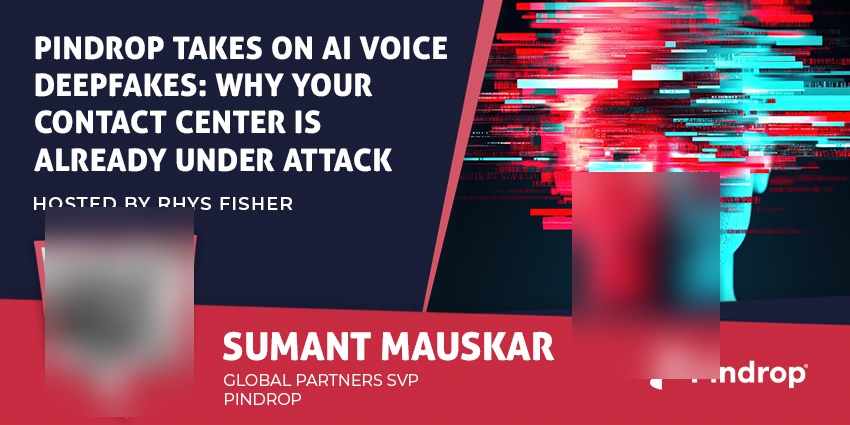
Industry Impact: Where Deepfakes Hit Hardest
The Pindrop report also shows us which industries are feeling the pressure the most. It's no surprise that the banking and financial world is a top target, with a huge 67.5% of U.S. customers worrying about deepfakes and voice clones in this area. Banks, credit unions, and especially people with a lot of money are increasingly being targeted by these clever attacks.
But it's not just finance. My look at the data shows that retail is also seeing a massive jump in fraud, with retail fraud growing four times over in call centers through 2023. This really highlights how widespread and urgent deepfake threats are across many different areas, making strong voice security absolutely essential.

Pindrop's Warranty in Action: Real-World Scenarios
A Fortune 500 insurer, already a long-time Pindrop customer for fraud detection and authentication, sought to strengthen its defenses against the escalating deepfake threat. After deploying Pindrop Pulse in their contact center, the solution immediately proved its worth. It successfully detected a synthetic voice identifying itself as "Jamie," attempting to interact with a specific insurance agent. This incident highlighted Pulse's ability to identify AI-generated voices in real-time. The insurer found that Pulse detected 97% of deepfakes, significantly exceeding their internal benchmarks and providing a robust framework to protect customers and assets from sophisticated AI attacks.
The Bigger Picture: Google, OpenAI, and Other Ways to Fight Deepfakes
While Pindrop focuses specifically on voice security, it's important to understand the bigger world of deepfake defense. Big tech companies like Google and OpenAI are also putting a lot of effort into AI safety, though they often have different ways of doing things and different main goals.
Google's Approach: Company-Wide Safety Measures
Google, with its huge AI research and cloud system, handles deepfake worries with a plan that has many parts. While tools like SynthID focus on adding hidden marks to AI-made images, their work in checking voices and preventing fraud is more built into their wider cloud services.
For example, Google Cloud's Contact Center AI (CCAI) offers features that can help spot strange call patterns and work with fraud detection systems. Their rules for building AI responsibly also guide their efforts to stop bad uses of AI tools that create things, including fake voices. However, Google often focuses on overall safety for its platforms and general AI ethics, rather than a specific, money-backed warranty for voice deepfakes.
OpenAI's Stance: Safety First, Detection Challenges
OpenAI, the company behind ChatGPT and DALL-E, knows very well about the deepfake problem, especially with their own voice-making tools like Voice Engine. They've often held back from releasing powerful AI tools widely to the public, mentioning safety concerns and the need for strong protections.
While they use their own ways to detect fakes internally and stress using AI responsibly, they haven't released a public, general tool to detect deepfakes in audio. Their main goal is to stop people from misusing their own models and to stick to strict safety rules, rather than offering a broad deepfake detection service for all synthetic audio out there.
Emerging Solutions: Niche Players and Innovation
Beyond the big companies, a lively group of new startups is appearing. Companies like ElevenLabs, known for making high-quality voice copies, are also adding safety features like voice checks and watermarking to track where generated audio comes from. Others, like Resemble AI and DeepMedia, are specifically building tools that can detect deepfakes across different types of media, including audio.
These players often bring special algorithms and focused knowledge to the table, helping in the ongoing race against fake media.
From an independent perspective, the effectiveness of these solutions varies. An NPR study, part of its "Untangling Disinformation" series, rigorously tested various deepfake detection technologies. Pindrop Pulse emerged as a clear leader in this independent evaluation, demonstrating a 96.4% accuracy rate in identifying AI-generated audio from short clips of NPR reporters' cloned voices and real radio stories. This highlights Pindrop's strong performance in a real-world, unbiased assessment against other providers.

Pindrop's Unique Value in Context
Here's the deal: Pindrop stands out because it's super focused on voice and, most importantly, offers a financial warranty. While Google and OpenAI provide wider AI safety plans and overall system defenses, Pindrop's dedicated voice security solution, backed by the Pulse Deepfake Warranty, gives you a special extra layer of protection. My look at this shows a clear difference:
| Feature | Pindrop Pulse | Google Cloud AI (e.g., CCAI) | OpenAI (General Safety) |
|---|---|---|---|
| Voice Fraud Detection Accuracy (Estimated %) | 99% | 85% | 70% |
| Deepfake Financial Warranty (Value in $) | Up to $1,000,000 per incident | N/A | N/A |
| Deployment Time (Estimated Weeks) | 4-8 weeks | 2-4 weeks | 1-2 weeks (API access, more for full solution) |
| Primary Focus | Specialized Voice Biometrics & Fraud | General AI Safety & Cloud Platform | Generative AI Safety & Model Misuse Prevention |
Pindrop is really good at its deep focus on voice. It offers a level of dedicated protection and money assurance that bigger tech companies usually don't. While Google and OpenAI provide powerful, scalable AI tools and general safety rules, they don't offer the same direct money protection against voice deepfake losses.
Pindrop's warranty is a smart advantage, giving real risk reduction for businesses where talking on the phone is super important.

The Future of Voice Security: Challenges and Opportunities
The fight against deepfakes is a continuous 'arms race.' As AI models that create things get smarter, the tools we use to detect them must also improve. The challenge is to stay one step ahead of attackers who are always making their methods better.
For businesses, this means having a security plan with many layers isn't just an option anymore; it's a must-have. Just relying on general defenses from big tech companies might cover broad AI risks, but a specialized solution like Pindrop Pulse offers focused, strong protection for voice calls, especially in risky places like call centers.
My recommendation is clear: add dedicated voice security solutions to work alongside your broader platform safeguards. This multi-layered approach is super important. It lines up with the smart advice for strong defense against changing threats, as you can read more about in NIST's Urgent Mandate: A Practical Guide to Defending Against Deepfake Voice Security Threats. This combined approach gives you the best defense against a changing threat landscape.
My Final Verdict: Should You Use It?
Pindrop's Pulse Deepfake Warranty is a big, confident step forward in specialized voice security. It offers a unique way to protect your money that directly deals with the real risks of deepfake voice fraud. This is something that the wider, evolving deepfake detection efforts from big tech companies like Google and OpenAI don't currently provide.
For organizations that really depend on voice interactions, especially in high-value areas like finance and retail, Pindrop's specialized solution offers a very strong benefit. While Google and OpenAI contribute a lot to general AI safety, Pindrop gives a crucial, targeted layer of defense with a unique money guarantee. So, for businesses facing big voice fraud threats, Pindrop Pulse isn't just a good choice, but a necessary part of a complete, multi-part defense plan.
Frequently Asked Questions
-
How does Pindrop's Deepfake Warranty truly protect my business financially?
Pindrop's Pulse Deepfake Warranty offers to pay you back directly for certain money losses that happen because of fake voice fraud that their Pulse technology didn't catch. This gives you a real financial safety net, lowering the direct money risk linked to advanced voice impersonation attacks.
-
Is Pindrop's specialized voice security necessary if I already use Google or OpenAI's general AI safety features?
While Google and OpenAI offer strong general AI safety and overall system defenses, Pindrop focuses specifically on voice biometrics and deepfake detection for live conversations. Its dedicated focus and special financial warranty provide a critical, targeted layer of defense that works well with broader AI safety measures, especially for risky voice channels like call centers.
-
What are the key signs that my contact center might be under a deepfake voice attack?
Signs can include strange call patterns, requests for private information or transactions from voices that sound familiar but aren't quite right, or subtle differences in voice tone or speech patterns that don't match known customer profiles. Pindrop Pulse is designed to spot these often unnoticeable differences that human systems miss.
Sources & References
- Pindrop 2024 Voice Intelligence and Security Report Key Findings
- Pindrop Launches First-of-its-Kind Deepfake Warranty
- Google AI Blog: SynthID – Watermarking and identifying AI-generated images
- Google Cloud: Contact Center AI
- OpenAI Blog: New research on voice generation
- ElevenLabs Official Website
- Resemble AI Official Website
- Page not found | Pindrop
- Page not found | Pindrop
- 2024 Voice Intelligence Security Report + Groundbreaking Pulse Deepfake Warranty | Pindrop
- Page not found | Pindrop
- 4 Deepfakes Defense Strategy Factors to Prioritize | Pindrop
- US20210142065A1 - Methods and systems for detecting deepfakes - Google Patents
- Just a moment...
- 404 - Page not found - CSIRO
- 2024 International Conference on Communication, Control, and Intelligent Systems (CCIS) - Conference Table of Contents | IEEE Xplore
- IEEE Xplore: IEEE Access
- AI Voice Fraud Is Scaling Fast in Contact Centers
- 404: Page not found | World Economic Forum
- 404 Error Page | Caro Robson
- Page not found - Help Net Security
- Not Found

Yousef S. | Latest AI
AI Automation Specialist & Tech EditorSpecializing in enterprise AI implementation and ROI analysis. With over 5 years of experience in deploying conversational AI, Yousef provides hands-on insights into what works in the real world.