
Mastering Your Investments: A Step-by-Step Guide to Utilizing Betterment's New AI Account Recommender
Betterment officially launched its AI-enabled Account Recommender on March 9, 2026, marking a significant step in the company's broader AI expansion. Sarah Levy, CEO of Betterment, emphasized the strategic vision for AI in wealth management, stating, "Betterment's founding principle was that technology could expand access to wealth-building tools and financial advice, and AI is the most powerful expression of that thesis yet. Incorporating AI into our platform strengthens our ability to deliver sophisticated personalization at scale to retail customers and unlocks new value for them."
Easy, AI-powered investing sounds great, right? But does Betterment's new AI Account Recommender actually work as promised, or are there tricky parts or downsides for a regular person like you and me? I've dug into the details to give you the full picture.
Table of Contents
Watch the Video Summary
Quick Overview: Betterment's AI Account Recommender – The Official Pitch vs. Early Impressions
Betterment has long stood out as a top digital financial helper (that's a platform giving you automatic, computer-powered financial advice without much human help Emerj.com). They're known for guided investing, solid retirement planning, and clever ways to manage your money. Here's the deal: Betterment is a fiduciary. That means they're legally bound to always do what's best for your money.
Everyone's talking about their new AI Account Recommender. Betterment officially points out cool things like tax-loss harvesting (that's a smart trick to sell investments at a loss to lower your taxes on other gains Betterment Official Info). They also show off really good past returns, with their main portfolio making about 10% each year since it started in 2011. They proudly offer a $0 minimum to open an account (though you need $10 to actually start investing) and a fair 0.25% yearly fee, or a flat $5 each month if you have less money invested.
NerdWallet, a well-known money review site, calls Betterment a 'top dog among digital financial helpers.' But wait, there's a catch. Early reviews and experts also mention some downsides. For instance, Betterment doesn't offer direct indexing (a super fancy tax trick where you own individual stocks that copy a market index, giving you more ways to save on taxes). Also, that flat $5 each month can be a really big chunk of your money if you don't have much invested NerdWallet Review.
Navigating Betterment's AI Account Recommender: A User's Journey
Understanding how Betterment's AI Account Recommender guides you through your financial planning is key to appreciating its value. Here's a step-by-step look at the typical user experience:
- Initial Financial Survey: Upon signing up, you'll complete a comprehensive survey. This includes questions about your age, annual income, existing investments, tax-filing status, employment, debt, and, crucially, your specific financial goals, such as saving for retirement, a down payment, or an emergency fund. The AI uses this self-reported information as its foundational data.
- Optional Account Linking: To provide the AI with an even more holistic view of your finances, you have the option to securely link external bank accounts and investment platforms. This allows the recommender to factor in assets and liabilities held outside of Betterment.
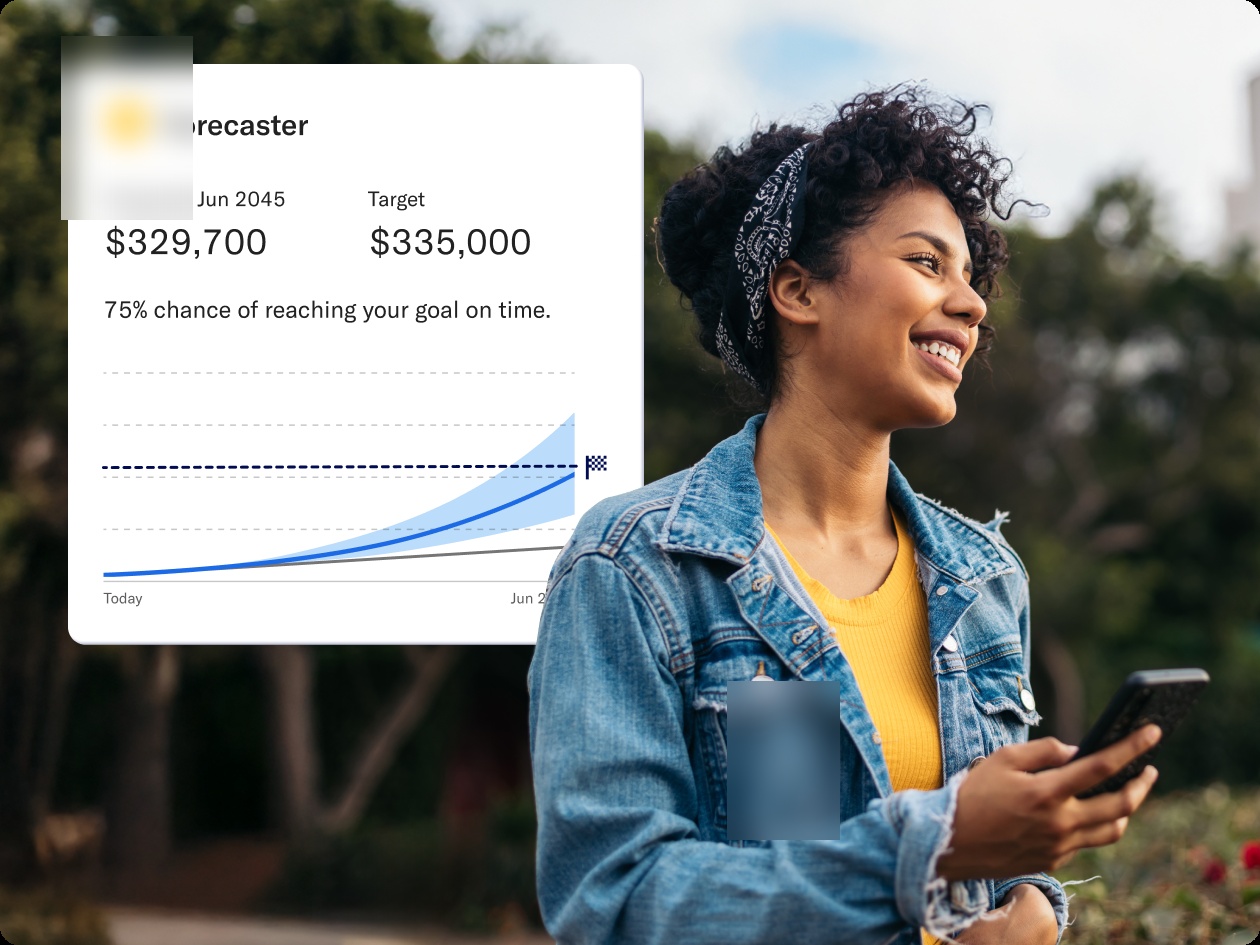
- Goal-Based Planning: The system then helps you define and refine your financial goals. It may suggest common objectives like a safety net, retirement savings, or general investing, each with a recommended target amount and asset allocation. You have the flexibility to adjust these suggestions and add entirely personalized goals.
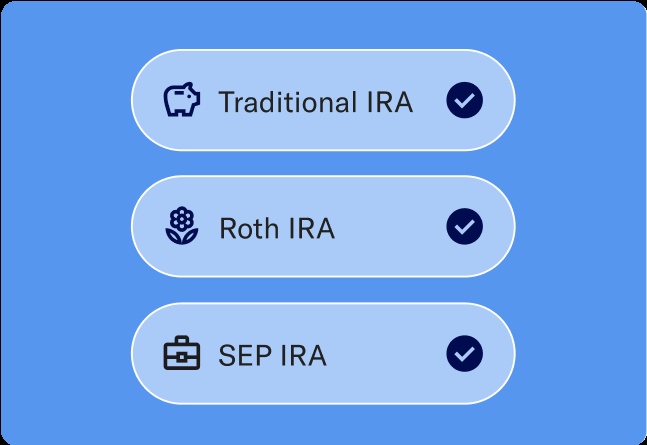
- Personalized Account Recommendations: Based on all the gathered data and Betterment's advisor-built logic, the AI generates tailored recommendations for specific account types (e.g., Traditional IRA, Roth IRA, taxable investment account) and corresponding investment portfolios. These recommendations are designed to align with your risk tolerance and help you achieve your stated goals.
- Seamless Implementation and Automation: Once you accept the recommendations, Betterment facilitates the opening of the suggested accounts. You can then easily set up recurring deposits to automate your savings and investing. From this point, the platform's automation takes over, handling portfolio management, rebalancing, and tax-loss harvesting to keep you on track.
Technical Deep Dive: How Betterment's AI Account Recommender Works Under the Hood
So, how does this AI actually work? When you sign up, Betterment's system starts with a quick survey. It asks about your current investments, tax situation, income, debt, and, most importantly, your financial goals Emerj.com. If you link other accounts, the AI gathers even more info to get a full picture of your money situation.
Behind the curtain, smart computer programs (called machine learning or ML) look at all this information. This isn't just a simple calculator! The ML gives you a snapshot of your money health and then suggests investment plans that fit how much risk you're comfortable with and what you want to achieve Emerj.com. This automatic help is a big part of the AI revolution in money advice, making smart planning easy for everyone. The AI claims to handle tricky jobs like picking investments, rebalancing (that's just adjusting your investments to keep them aligned with your goals), and that important tax-loss harvesting.
This sophisticated blend means that Betterment's AI Account Recommender utilizes **advisor-built logic** for the core financial recommendations, ensuring that the underlying investment strategies are sound and based on expert human financial planning principles. The role of artificial intelligence then comes into play by generating **AI-generated summaries**, presenting these complex recommendations in personalized, easy-to-understand language tailored to each user's profile and goals. This clarifies the distinct roles: human expertise designs the financial framework, while AI enhances the delivery and personalization of that advice.
Betterment really emphasizes how the AI helps you pay less in taxes on your trades. It does this by picking which investments to sell based on what will save you the most money on taxes. They claim that 'nearly 70% of customers using tax-loss harvesting covered their taxable advisory fees through estimated tax savings.' Honestly, how AI works inside is often a secret in the money world, but Betterment does say that its team of investing pros, backed by outside experts like economists and PhDs, creates the main investment plans and keeps making their Tax Smart technology better Betterment Official Info.

Building Trust: Betterment's Fiduciary Commitment and AI Security
A cornerstone of Betterment's service is its commitment to acting as a **fiduciary**, meaning it is legally and ethically bound to always act in the client's best financial interest. This standard extends to its AI Account Recommender, ensuring that all recommendations are designed to benefit the user. The AI's insights are generated from a combination of self-reported financial information provided by the user and data from any connected external accounts. To safeguard this sensitive data and ensure responsible AI deployment, Betterment employs robust measures including 'structured prompt governance, well-designed guardrails, and secure data orchestration'. These protocols are in place to maintain the integrity and security of the platform, fostering trust in its AI-driven financial advice.
Real-World Success: Using AI for Retirement and Tax Savings
Where Betterment's AI really stands out is how it helps you in real ways with planning your money for the long haul, especially for retirement and saving on taxes. The AI helps you set up and manage different retirement accounts, including IRAs, Roth IRAs, and 401(k)s. It looks at things like when you plan to retire and even how much Social Security you expect to get, all to keep you on the right path Emerj.com.
That tax-loss harvesting feature isn't just a fancy term; it's a really useful tool. As I mentioned, Betterment reports that 'nearly 70% of customers using tax-loss harvesting covered their taxable advisory fees through estimated tax savings.' This means the AI is working hard to put more money back in your pocket by lowering your tax bill.
People often say great things about these features. I've seen feedback like, 'Excellent place to make your money work for you,' and 'Saves the stress and hassle of managing retirement savings myself.' This easy, hands-off way of doing things really changes the game for a lot of people.
Performance Snapshot: Using Betterment's App and Portfolio Options
When it comes to how easy it is to use, Betterment is made to be super simple. I've found that transferring cash, setting up regular savings, and taking out money are all easy to do Betterment Official Info. This 'set-it-and-forget-it' approach is a big plus for busy people.
Betterment offers a bunch of different investment plans to fit what you like. Beyond the standard Core portfolio, you can choose from socially conscious investing (SRI) plans like Broad Impact, Climate Impact, and Social Impact Betterment Official Info. A cool feature is fractional shares. This means every single penny you put in gets invested, instead of just sitting there doing nothing NerdWallet Review.
Here's a quick look at Betterment's plan options:
| Feature | Digital Plan | Premium Plan |
|---|---|---|
| Annual Management Fee | 0.25% (or $5/month for balances < $20k) | 0.40% |
| Account Minimum | $0 ($10 to start investing) | $100,000 |
| Advisor Access | Digital advice only | Unlimited access to certified financial planners |
The Digital plan is perfect for most people who want to set it and forget it. On the other hand, the Premium plan offers all-you-can-ask access to certified financial planners if you have more money invested and trickier situations Betterment Official Info.

Community Pulse: Criticisms, Limitations, and What to Watch Out For (E-A-T Check)
While Betterment offers a great service, it's important to talk about its downsides and what people complain about. One big thing that independent reviews bring up is the 'No direct indexing' feature. If you're a super advanced investor looking for every tiny tax advantage, this could be a downside compared to some other options.
Also, a lot of people worry about the 'Flat fee on smaller balances.' While 0.25% is a fair rate, paying $5 each month on a $1,000 balance means you're paying a 6% fee each year, which is pretty steep! So, if you're starting with just a little bit of money, definitely keep an eye on this.
You should also know that Betterment had a lawsuit from 2016-2019 about how it did tax-loss harvesting, and they ended up paying a $9 million settlement. While this is in the past, it shows how tricky automatic tax strategies can be and why it's so important to know how they work. Also, studies show that while Betterment's top team has lots of money experience, none of them are specifically known for having deep AI knowledge or backgrounds Emerj.com. This just adds to the bigger talk about dealing with the new risks of AI in money services, where it's super important to be clear about how AI is built.

Alternative Perspectives & Further Proof: Betterment in the World of Digital Financial Helpers
To give you some perspective, let's quickly check out a competitor like SoFi. SoFi started as a lending company but has moved into the digital financial advice world with SoFi Wealth Emerj.com. While SoFi also offers automatic investing in ETFs and retirement accounts, Betterment has always focused just on managing your money, and its fiduciary status often gives it an advantage for many people.
Betterment also provides strong insurance coverage. Your individual Cash Reserve accounts are FDIC-insured for up to $2 million, and joint accounts get up to $4 million in FDIC insurance (that's 8 times the usual amount!). For investing accounts, Betterment Securities is a Member of SIPC, which protects your investments for up to $500,000 (www.sipc.org). These protections add an extra layer of safety, which is super important for anyone investing their money.
Ultimately, Betterment remains a 'good 'set-it-and-forget-it' investing tool' for many users, especially those who want things automated and want to save on taxes.
Practical Tip & Final Recommendation: Is Betterment's AI Right for Your Investments?
So, who is Betterment's AI Account Recommender really for? I'd say it's a great choice for:
- Hands-off investors: If you prefer automation and don't want to actively manage your portfolio.
- Retirement investors: Its goal-based tools and tax optimization are particularly strong for long-term retirement planning.
- Socially responsible investors: The availability of SRI portfolios is a big plus.
- Users who like goal-based tools: The platform excels at helping you visualize and work towards specific financial goals.
- Investors who may eventually want to work with a financial advisor: The Premium plan offers a seamless transition to human advice.
However, a quick tip: always think about how much money you have compared to that flat monthly fee. If you have less than $20,000, that $5/month fee can really cut into your earnings. For those needing more detailed money advice, checking out the Premium plan is a smart idea, but remember you need at least $100,000.
My Final Verdict: Should You Use It?
Betterment's AI Account Recommender offers a strong, goal-focused, and mostly hands-off way to invest. It really shines for retirement planning and saving on taxes. It uses its smart computer programs to potentially save you money on taxes and keep your investments on track for your long-term goals. While it's a top player in the world of digital financial helpers, you should be aware of its fee structure for smaller amounts of money. That flat monthly fee can be really high for small balances, and it doesn't offer direct indexing for those who want the most advanced tax tricks. But for most new and experienced investors who want an automatic, smart way to manage their money, Betterment is still a fantastic choice.
Frequently Asked Questions
-
Is Betterment's AI really made just for me, or is it a one-size-fits-all computer program?
Betterment's AI uses an initial survey and any linked accounts to collect all sorts of information about your investments, tax situation, income, debt, and financial goals. Then, smart computer programs (machine learning) look at all this info to suggest investment plans that fit your comfort with risk and what you want to achieve. So yes, it's a very personalized approach!
-
How does Betterment's AI compare to a human financial advisor for complex situations?
While Betterment's AI is great at automatic jobs like picking investments, rebalancing, and tax-loss harvesting, it might not be the best for super complicated money situations where you really need a human's smart thinking. However, Betterment's Premium plan offers all-you-can-ask access to certified financial planners if you have more money invested and trickier needs, giving you a mix of both.
-
Given past issues, how reliable is Betterment's tax-loss harvesting feature now?
Betterment has made its Tax Smart technology much better, and they report that nearly 70% of customers using tax-loss harvesting covered their taxable advisory fees through estimated tax savings. Even though a past lawsuit showed how complicated things can get, the feature is constantly being improved by their team of experts and outside groups. Their goal is to actively lower your tax bill.
Sources & References
- Betterment Official Information (Composite from various official Betterment pages)
- NerdWallet Review of Betterment
- Emerj.com: AI in Robo-Advisors and Wealth Management
- SIPC Official Website
- Betterment Launches AI-Enabled Account Recommender, Advancing Enterprise AI Strategy
- Betterment | Automated investing & Financial planning
- Robo-advisors and Artificial Intelligence - Comparing 5 Current Apps
- Betterment Announces Account Aggregator
- YouTube
- YouTube
- Source
- Betterment Review 2026: A Top-Tier Robo-Advisor Worth Considering - NerdWallet
- Unbiased US - make more confident financial decisions - unbiased.com

Yousef S. | Latest AI
AI Automation Specialist & Tech EditorSpecializing in enterprise AI implementation and ROI analysis. With over 5 years of experience in deploying conversational AI, Yousef provides hands-on insights into what works in the real world.