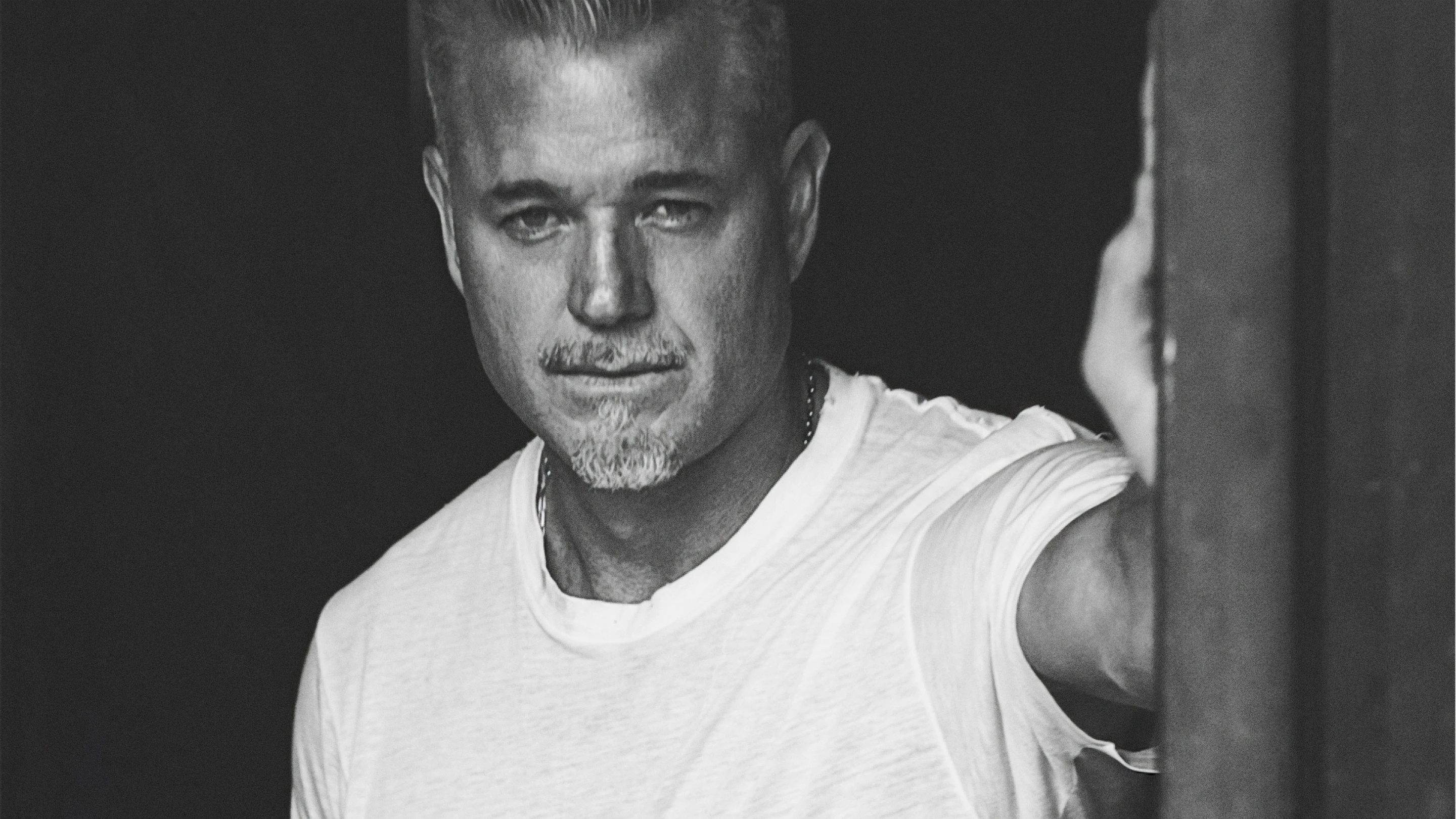
The Human Echo: How ElevenLabs and Rebecca Gayheart Dane Are Restoring Voices with AI at SXSW
Honestly, with all the talk about AI, you might wonder if this amazing tech can really bring back something as deeply personal as a lost voice, helping people feel like themselves again and connect with others. Well, I found a powerful answer to that question at SXSW! I learned all about ElevenLabs' cool new '1 Million Voices' program, which is supported by actor Rebecca Gayheart Dane. This program not only remembers the amazing life of her late husband, Eric Dane, but it also really makes us rethink what AI can do for profound good.
Quick Overview: What They Said vs. What It Really Is
At SXSW, ElevenLabs launched its big new '1 Million Voices' program. They made a huge promise: to give away $1 billion worth of its tech to provide free, lifelong access to its voice restoration tools for one million people worldwide (PRNewswire, March 2026). The official goal sounds grand: to make voice available to everyone. But honestly, what I found was much more personal and incredibly touching.
This program got a strong supporter at the SXSW panel, 'Hello Again: Restoring Voices with AI.' Actor Rebecca Gayheart Dane joined ElevenLabs there. She was there to remember the life of her late husband, Eric Dane, who had ALS (Amyotrophic Lateral Sclerosis) – a serious brain disease that often makes people lose their ability to speak (ElevenLabs Blog). You can find more details about Rebecca Gayheart Dane's participation on the official SXSW contributor page.
Eric, before he passed away, used ElevenLabs' voice restoration tech to bring his voice back. That was a very emotional moment for him and his family. You see, this isn't just about technology; it's about giving someone back a piece of who they are.
Table of Contents
Watch the Video Summary
The Broader Landscape of AI Voice
While the '1 Million Voices' initiative highlights the positive applications of AI voice technology, it's crucial to consider the broader ethical landscape. Experts emphasize that advanced AI voice synthesis presents challenges, particularly concerning human identity. As one analysis points out, "VCT poses the risk of making it impossible to distinguish human speech from synthetic speech, thus compromising human identity." This underscores the importance of clear ethical guidelines, user consent, and transparency to ensure that AI voice technology enhances, rather than diminishes, authentic human connection and identity.
How It Works: Bringing Voices Back to Life
So, how does this magic happen? ElevenLabs uses smart voice cloning and text-to-speech (TTS) technology. This clever way to make voices is part of a bigger movement in tech, where companies like Deepgram and IBM are also making voice AI do amazing things for big businesses. (We talked about this in Deepgram and IBM watsonx Orchestrate: A New Era for Enterprise Voice AI?).
Here's the deal: if you have old recordings of someone's voice – even just short bits – the AI can figure out what makes it special: how high or low it is, its rhythm, and those tiny little changes in tone. Then, it creates a digital copy that can speak any new text you type, sounding just like the original person. Think of it like creating a digital copy of your voice, ready to say whatever you want.
This isn't just a cool party trick; it's a way to get their life back. The restored voices can be used with special tools that help people (like speech-generating devices), so individuals who've lost their ability to speak can communicate naturally again. The '1 Million Voices' program promises free, lifelong access to this tech for one million people worldwide (ElevenLabs Blog).
What started as a smaller program focused on ALS in 2024 has grown really fast. Now, it helps about 7,000 people in 49 countries, thanks to working with over 800 charities and communication groups (PRNewswire, March 2026). That's a huge number of people for something so personal!
| Feature | ElevenLabs' '1 Million Voices' Initiative | General AI Voice Cloning (Commercial/Other) |
|---|---|---|
| Main Goal | To give back voices to people who've lost them forever, helping them feel like themselves and connect. | Making content, telling stories, fun stuff, ads, or other business uses. |
| How You Get It & What It Costs | Free, lifelong access for one million people worldwide, thanks to a $1 billion promise and working with others. | Usually costs money (monthly or per use); often for creators or businesses. |
| Doing the Right Thing | Really focuses on "AI for Good," working with partners ethically, and bringing back real voices with permission. | Changes a lot; can be used for bad things (fake videos/audio, wrong info), which is a big worry. |
| Help & Community | Works with over 800 charities and communication groups to reach people and get the tech into helper devices. | Mostly just help with the product; not as much about helping the wider community or working with accessibility groups. |
Real-World Success: How It Helped Eric Dane and His Family
Eric Dane's journey with ALS really showed how much this tech can do. For him, getting his voice back wasn't just about talking; it was about getting back a super important part of who he was. His wife, Rebecca Gayheart Dane, said something really touching: 'Our voices are such an important part of who we are... When Eric received his ElevenLabs voice, it made him emotional to have that part of himself back, and to know our daughters would always be able to hear his voice. It sounded just like him' (PRNewswire, March 2026).
This quote really hit me. Can you imagine the joy and relief of hearing a loved one's real voice again, especially knowing it will be saved for his kids and grandkids to hear? Eric became an early and huge supporter of the '1 Million Voices' program because of what he went through and how much he wanted to help others in the same boat. So, his memory is now a big part of this amazing project.
Beyond the Headlines: A User's Perspective
While the official narratives are powerful, hearing directly from users truly brings the impact of AI voice restoration to life. Yvonne Johnson, a British woman living with ALS, shared her personal experience at the SXSW panel. She explained how the technology has been a "huge gift" for her family, stating, "So I simply type what I want to say, the same as you would with a text message, and then I just press a speech button, and my beautiful voice comes through." This independent account underscores the profound, everyday difference this technology makes, allowing individuals to communicate naturally and maintain their sense of self.
Seeing It in Action: The '11 Voices' Docuseries
If you really want to see how much this helps, ElevenLabs showed its new documentary series, '11 Voices,' at SXSW. This series is a clear example of the tech working, showing people who've lost their voices forever telling their own stories with their AI-made voices (PRNewswire, March 2026). It's so powerful to hear their real voices, brought back, telling their own tales.
I saw stories like Scott, a stroke survivor who can now give public lectures again. Then there's Pam, a hospital chaplain with ALS who has returned to counseling patients. And Bryan, a brain-injury survivor who can hang out with friends and make music again. Plus, Abdi, who has cerebral palsy and couldn't speak before, but now he's acting and modeling with his voice brought back.
Perhaps most moving was Yvonne Johnson, an ALS patient featured in the docuseries, who was even on stage at SXSW, talking live with her own voice, thanks to ElevenLabs (PRNewswire, March 2026). These stories aren't just about speaking; they're about getting back their independence (the power to act on their own) and identity. You can find the '11 Voices' docuseries on ElevenLabs' YouTube channel and Spotify.
What People Are Saying: AI: Good vs. Bad, and How It's Helping
Let's be real: AI often gets a bad name. We hear a lot about deepfakes (AI-made videos or audio that look or sound real but aren't) and the risk of spreading wrong information. It's normal to be a bit wary, and honestly, there are some real worries about AI technology. This balancing act between new tech and doing the right thing is something we've talked about before, especially when looking at the bigger effects of super smart AI audio, like in ElevenLabs' big growth and future plans for AI audio, and what that means for everyone).
But this program, supported by Rebecca Gayheart Dane, offers a great story that shows the other side.
As Rebecca herself put it, 'people are very careful and concerned about AI technology in general, but this is the best example of using it for good' (PRNewswire, March 2026). I couldn't agree more. This isn't about creating fake stuff; it's about bringing back real human connection.
ElevenLabs isn't doing this alone either; they've teamed up with top charities that help people with disabilities, like Bridging Voice and The Scott-Morgan Foundation. They're working together to get their tech out to lots of people and put it into devices that help people speak (ElevenLabs Blog). These partnerships really show they're serious about using AI in a good and responsible way.
More Stories & Why This Matters
Beyond Eric Dane's powerful story, there are so many other people getting help from this technology. Take Tim Green, a former NFL player and sports announcer who was diagnosed with ALS. He lost his ability to speak, but with ElevenLabs and Bridging Voice, he made a copy of his voice from old recordings. Now, he uses it for his podcast, 'Nothing Left Unsaid' (ElevenLabs Blog). His family cried when they heard his voice again – that's the kind of difference this makes.
Then there's Erin Taylor, a 24-year-old science graduate who studied plants, also living with ALS. With help from The Scott-Morgan Foundation, ElevenLabs, and D-ID (a company that makes digital characters), Erin can talk with her real voice and even look like herself. This helps her keep her identity and makes her important work to raise ALS awareness even stronger (ElevenLabs Blog).
These stories show how far this program reaches around the world and its goal of giving 1 million new voices the power to talk, learn, and live life to the fullest. ElevenLabs is actively asking groups that want to make a difference to join this project, building a world where everyone's voice helps make things better.
Quick Tip & My Final Thoughts
If you or someone you know could benefit from this life-changing voice restoration tech, or if you're a group looking to partner up, I really suggest you look into the ElevenLabs Impact Program. You can learn more and apply directly at elevenlabs.io/impact-program.
In a world more and more run by AI, it's easy to get swept up in all the excitement or all the worries. But programs like '1 Million Voices' remind us of AI's amazing power to do good. It's proof of how clever and caring people can be, making sure one of our most basic rights – the right to be heard – is kept safe and brought back. Because everyone deserves to be heard — in their own voice.
Frequently Asked Questions
-
How does ElevenLabs' '1 Million Voices' program make it easy for people to get AI voice restoration?
The '1 Million Voices' program promises $1 billion worth of tech to give free, lifelong access to ElevenLabs' voice restoration tools for one million people worldwide. They make it easy to get by working with charities and communication groups.
-
How has the '1 Million Voices' program helped people like Eric Dane?
For people like the late Eric Dane, who had ALS, getting their voice back with ElevenLabs' tech meant getting a super important part of who they were back. It also made sure their loved ones could keep hearing their real voice, creating a deep emotional bond.
-
How does ElevenLabs deal with worries about AI being used for bad things, while still pushing for 'AI for Good'?
ElevenLabs actively partners with top charities that help people with disabilities. They really focus on using their tech ethically to bring back real human connection. This directly fights worries about deepfakes and wrong information by showing how AI can be used to do good things for society.
Sources & References
- Eric Dane's Legacy at SXSW: Advancing 1 Million Voices
- SXSW में Eric Dane की विरासत: 1 मिलियन आवाज़ों को आगे बढ़ाना
- ElevenLabs Impact Program Aims to Empower 1 Million Voices through AI Audio
- SXSW 2026 Schedule | Contributors
- ElevenLabs debuts '11 Voices' docuseries at SXSW as part of global campaign to reach 1 million people with voice loss
- ElevenLabs pledges to restore 1 million voices with AI at SXSW 2026 | Mashable
- The tech that restored Eric Dane’s voice shows how AI can be used for good, says Rebecca Gayheart Dane - Fast Company
- Error 404 (Not Found)!!1
- Error 404 (Not Found)!!1
- ElevenLabs Expands $1 Billion ‘1 Million Voices’ Initiative With SXSW Docuseries Launch - TipRanks.com

Yousef S. | Latest AI
AI Automation Specialist & Tech EditorSpecializing in enterprise AI implementation and ROI analysis. With over 5 years of experience in deploying conversational AI, Yousef provides hands-on insights into what works in the real world.