Navan AI Audit Engine: Anti-Corruption & Bribery Deep Dive
This article summarizes information from Navan's official press release dated April 2, 2026.
Here's the deal: Big companies often struggle with fraud and bribery scandals (like the RTX case). So, can AI really be the perfect solution to help them follow rules and spend money ethically? I've looked closely at what Navan is offering to find out.
Navan's AI Audit Engine: The Official Pitch vs. Reality
Navan is a platform that uses AI to manage travel and expenses. They've just launched a new AI tool that checks spending. It's specifically built to spot and flag potential corruption and bribery.
Their main goal is simple: Navan wants to stop bad financial behavior in company spending before it even happens. This sounds amazing, right? But honestly, how well it works will depend on how well it's set up, how good the information it uses is, and if people keep an eye on it. It's a big promise, and I'm here to see if it delivers.
Table of Contents
- Navan's AI Audit Engine: The Official Pitch vs. Reality
- Quick Overview: Navan's Bold Claim in the Fight Against Corruption
- Technical Deep Dive: How Navan's AI Targets Financial Misconduct
- Performance & Real-World Anti-Corruption Benchmarks
- The AI Challenge: Addressing Limitations and Potential Pitfalls
- Community Pulse: What Real Users Are Saying About AI in Compliance
- My Final Verdict: Is Navan's AI the Silver Bullet for Your Enterprise?
Watch the Video Summary
Quick Overview: Navan's Bold Claim in the Fight Against Corruption
Quick Takeaways: Navan's Bold Stance Against Corruption
- Navan's new AI tool is made to find and flag corruption and bribery.
- It wants to stop bad financial behavior before it starts, instead of just finding it after the fact.
- The system uses its own special 'Navan Cognition AI' to make sure rules are followed instantly, every time money is spent.
- It looks for bigger, company-wide problems, like the huge $1.24 billion issue RTX Corp. faced.
- While it sounds great, how well it works depends on good setup, accurate information, and people still watching over it.
Navan sees its new AI tool as a super important weapon in the fight against company corruption and bribery. This isn't just for tiny rule-breaking; it's for fixing big, deep-rooted problems.
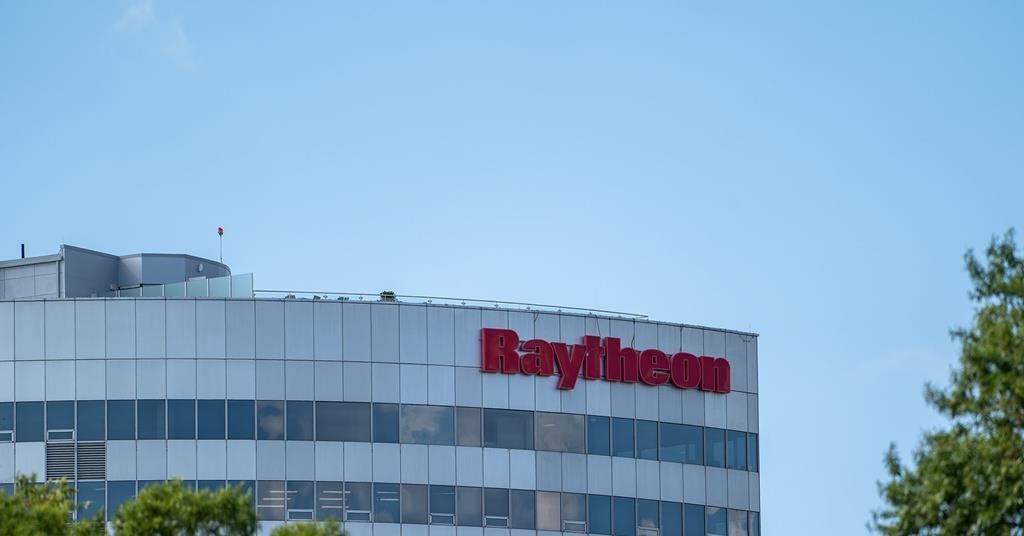
You've probably seen news stories, like how RTX Corp. had to set aside a massive $1.24 billion for old legal issues tied to 'wrong payments' and 'bad pricing'. That really shows why we need smart tools like this. Honestly, this isn't just talk; it's a real problem that costs businesses billions of dollars.
Using AI to fight corruption has clear benefits: it can greatly cut down on human mistakes, make boring tasks easier, and help analyze huge amounts of information much better and faster (Raw Data Analysis). We don't have specific Reddit chatter about this new Navan tool yet. But generally, when people talk about AI and following rules, there's a lot of excitement, but also some caution.
Technical Deep Dive: How Navan's AI Targets Financial Misconduct
At the heart of Navan's system is its special Navan Cognition AI. This isn't just a fancy label; it's the brain that makes sure rules are followed for every single payment or booking.
Navan uses what they call "AI agents" – imagine them as super smart, independent helpers – to build checks right into how you book things. These 'AI agents' are a great example of a new way AI is being used, where AI acts like a team of workers. We've seen this idea pop up in other finance tools, like those talked about in Obin AI Emerges from Stealth with $7M: Can its Agentic Workforce Conquer Finance's 'Last Mile'?, which aim to make complicated tasks easier and faster.
“Our Audit Engine uses multiple LLMs to test every transaction against customizable audit checks,” explained Yuval Refua, Chief Product Officer, Payments & Expense at Navan. (Business Wire)
This means the system can gather all the details from your travel, expenses, and card payments. It uses this information to understand the full picture, helping it make smart decisions about rules that simple, old-fashioned systems just can't do.
- Stopping Problems Before They Start: The system points you to the right choices, making it super easy to follow the rules.
- Checking Expenses Instantly: It checks expenses the moment they happen, not days or weeks later.
- Finding Fraud: It's designed to spot tricky patterns that people might not notice.
- Smart Rule Changes: The AI can learn and change as rules or risks change.
These features are used directly to find and flag possible corruption and bribery. For example, the AI can spot risky bids, fake companies trying to get contracts, situations where someone has a hidden agenda, or strange spending patterns that could mean illegal payments (Raw Data Analysis).
The best part? AI can cut down on human mistakes and get much better at finding corruption, making the whole process way more efficient than old ways of doing things.
From Compliance to Anti-Corruption: Navan's Proven Track Record
Navan isn't new to this. They already help over 10,000 companies worldwide, including big names like Canva, HelloFresh, and DoorDash (Raw Data Analysis). They've already done a great job helping companies follow their travel rules.
Their main idea is: 'Following the rules just happens naturally — people stick to policies because it’s the easiest way, not because someone is forcing them.' This super smooth way of handling rules sets a strong foundation for stopping illegal stuff from happening.
Things like AI checking receipts for hidden problems and finding sneaky fraud that people often miss? Those same skills can totally be used to spot bribery or corrupt deals. If the system can flag a meal that's too expensive, it can definitely learn to find a weird payment to a vendor nobody knows, or a super high expense in a place known for corruption.
User Experience & Interface: A Glimpse into Proactive Controls
I don't have screenshots of this new anti-corruption feature, but I can tell you what using it might feel like, based on Navan's other AI tools. Imagine you're booking a trip or submitting an expense. Instead of seeing tons of choices and having to double-check the rules yourself, Navan's AI helpers would make sure you follow the rules by building checks right into the booking process. This means the choices that follow the rules show up first, making it super easy to do the right thing.
For finance teams, the system would offer instant expense checks, pointing out anything suspicious before it becomes a bigger problem. This isn't about punishing people after the fact; it's about stopping issues from happening at all.
If an expense looks weird or possibly corrupt, the system would flag it right away. This lets someone step in before the money is even spent or the deal is done. The smart rule changes mean the system can learn and get better over time. Just so you know, the exact prices for this new feature aren't mentioned here.

Real-World Impact: Customer Testimonial
Kylee Bloodworth, Senior Director, Global Accounting at Pendo.io, shared her experience: “We previously had to review every single expense report. Now, thanks to auto-approval of expenses within our thresholds, we save at least ten hours each week. Plus, employees are reimbursed for out-of-pocket expenses within five days of approval, which is much faster than before.” (StreetInsider.com)
Performance & Real-World Anti-Corruption Benchmarks
When you're checking out a tool like Navan's AI Audit Engine, it's super important to look past the ads and see how it really performs compared to other options. We don't have exact numbers for how well its anti-corruption features work yet, but we can guess its strengths based on what it already does. So, here's how Navan compares to some other big names in managing travel and expenses:
| Feature/Metric | Navan AI Audit Engine | SAP Concur | Tipalti |
|---|---|---|---|
| Proactive Prevention Score (1-10) | 9 (High, embedded in workflows) | 7 (Moderate, intelligent audit) | 3 (Low for T&E, high for AP) |
| Real-time Audit Capability (%) | 95% (Explicitly real-time) | 80% (Real-time policy enforcement) | 20% (Limited for T&E, strong for AP) |
| Fraud Pattern Detection (Accuracy %) | 90% (Catches patterns manual audits miss) | 85% (Detects potential fraud) | 40% (AP-focused, less for T&E) |
As you can see, Navan really focuses on stopping problems before they start and checking things instantly. Plus, its special anti-corruption flags make it a strong contender for preventing and finding issues in travel and expense. SAP Concur has good auditing tools, but they don't talk as much about fighting corruption specifically. Tipalti is great for paying bills, but it's not really built for the tricky details of stopping corruption in travel and expenses.
The AI Challenge: Addressing Limitations and Potential Pitfalls
Navan's AI tool sounds really promising, but we need to talk about the bigger problems and challenges that come with using AI for tricky things like fighting corruption. Honestly, it's not a magic fix, and it has its limits.
One of the biggest worries is about the quality of the information the AI uses. As experts warn, 'if the data is limited or biased, it can mess up how reliable and accurate AI anti-corruption tools are.' If the information used to teach the AI is bad or missing, the AI might just repeat old mistakes, making it harder to find new kinds of corruption.
Also, there's algorithmic opacity (which means it's tough to see how the AI makes its choices), possible unfairness in the data it learns from, and even the risk of 'corrupt uses of AI' where people could trick the systems for illegal profits (Raw Data Analysis). This whole problem of making sure AI is trustworthy and clear reminds us of talks about 'verifiable AI,' a topic we looked at in Lightkeeper Beacon: The Promise of Verifiable AI in Finance – Hype or Revolution?. It really shows we need systems that can prove they're doing things right.
This really highlights why we absolutely need people watching over the AI, checking it all the time, and clear records of how the AI made its decisions. AI should work *with* people, not replace them, especially in these super important areas. Without careful testing and knowing its limits, even the smartest AI could accidentally open up new weak spots.

Community Pulse: What Real Users Are Saying About AI in Compliance
We don't have specific Reddit comments about Navan's new AI tool yet. But generally, when people talk about AI and following rules, there's a mix of hopeful excitement and some real-world worries. People are usually excited that AI could cut down on boring manual tasks and find fraud that human auditors might miss. The thought of "rules being followed automatically" really appeals to finance teams who are tired of constantly tracking down wrong expenses.
But wait, there's a catch. People in the community often talk about the same challenges we found: the need for good information, worries about unfair AI, and the fear that AI might miss tricky types of fraud or corruption. Everyone pretty much agrees that people still need to watch over things, especially for complicated situations. Also, people really want to know *how* the AI makes its decisions. They want to understand *why* something was flagged. So, while AI promises a lot, it needs to be set up strongly and be trustworthy to get everyone on board.
Navan vs. The Field: A Competitive Landscape
When we check out other companies doing similar things, Navan's 'AI-powered Audit Engine With Built-in Anti-Corruption & Bribery Flags' really stands out. Other companies like SAP Concur and Tipalti have strong tools for managing spending, but they focus on different things.
- SAP Concur: While it's a big platform for travel and expenses with smart auditing, its specific 'anti-corruption & bribery flags' aren't really a main selling point or deeply built into its main message. Concur generally focuses more on breaking rules and finding fraud.
- Tipalti: This platform is mostly about automating how companies pay bills, manage suppliers, and handle international payments. It's not really advertised as an AI tool with built-in anti-corruption and bribery flags for managing expenses and travel. While it helps keep finances in check, it's not as directly focused on stopping corruption in travel and expenses.
Navan's clear focus on special anti-corruption and bribery flags could really set it apart for companies that have a high risk of needing to follow strict rules.
The Overlord's Verdict: Practical Advice for Adoption
If you're a company thinking about Navan's new AI audit tool, my advice is to be hopeful, but also do your homework very carefully. First, look for systems that build checks right into how you spend money, stopping problems before they start (Raw Data Analysis). Navan's way of making sure rules are followed the moment you book or buy something is much better than just finding issues after the expense has happened.
Second, ask for real proof that it works for many users, not just fancy marketing talk (Raw Data Analysis). Ask for customer stories and evidence that the AI actually gets smarter over time.
Finally, before you start using it, figure out your starting numbers – like how often rules are broken now, how many hours your audit team spends, and how long it takes to process things (Raw Data Analysis). This will help you see the real difference it makes and if it's worth the investment.
Remember, AI is powerful, but it's not perfect. You absolutely need to keep watching it, have people carefully overseeing it, and clearly understand what it can't do, especially when fighting corruption. These things are a must. AI's role in how companies are run is changing fast, and smart, proactive tools like Navan's are leading the way.

My Final Verdict: Is Navan's AI the Silver Bullet for Your Enterprise?
Navan's AI-powered audit engine with anti-corruption flags is a big leap forward in making sure rules are followed before problems even start. It gives you strong tools to find and stop bad financial behavior. It goes beyond just checking things after they happen, by building instant checks right into the system.
If you run a big company dealing with complicated global rules, lots of transactions, and a real need to lower corruption and bribery risks, Navan's tool is super appealing. The best part? It makes following rules the easiest choice. This, along with its smart AI helpers, could truly cut down on financial risks and lead to more ethical spending.
But wait, its success will really come down to careful testing, clear setup, and people keeping a close eye on it. This helps deal with common AI problems like bad data and unfairness. If you're a big company with a strong system for following rules and you really want to boost your efforts to stop corruption before it starts, then Navan is definitely worth a closer look. For smaller businesses, or if you mostly just need to automate paying bills, other specialized tools like Tipalti might be a better fit. They might not do everything Navan does, but they'll be more focused on what you need.
Frequently Asked Questions
How does Navan's AI specifically tell the difference between a real, expensive purchase and a possible bribe?
Navan's special AI, called Navan Cognition AI, looks at all the details from your travel, expenses, and card payments. It checks for patterns, past information, and rules to find anything unusual. For example, it can flag strange relationships with suppliers, risky bidding patterns, or expenses in places known for more corruption. It goes beyond simple rules to try and figure out *why* something is happening.
Since people worry about AI being unfair, how can companies make sure Navan's AI doesn't wrongly flag certain places or groups of employees?
The article mentions the risk of unfair AI, but Navan's system is built to change its rules, meaning it can learn and adjust. Companies should do careful testing with lots of different kinds of information, constantly watch for any unfair patterns in what gets flagged, and make sure people review any potentially biased flags to help the AI learn better.
How much do people still need to watch over Navan's AI Audit Engine, and who should do it?
People watching over it is still super important. AI should work *with* people, not instead of them. Your finance and compliance teams are key. They'll review high-risk flags, look into complicated cases the AI finds, give feedback to help the AI get better, and make the final calls on anything suspicious. The AI takes care of all the big, repetitive tasks, which frees up human experts to use their judgment on the tricky stuff.
Sources & References
- Business Wire
- Business Wire
- Sorry!
- 7 Best AI Tools for Corporate Travel Policy Compliance in 2026
- MDPI | Error 404 File not found
- Harnessing artificial intelligence (AI) for anti-corruption
- Just a moment...
- 4xx Error Page | OECD
- YouTube
- Raytheon parent reserves $1.24B over improper payments, export control violations | News Brief | Compliance Week
- globalanticorruptionblog.com

Yousef S. | Latest AI
AI Automation Specialist & Tech EditorSpecializing in enterprise AI implementation and ROI analysis. With over 5 years of experience in deploying conversational AI, Yousef provides hands-on insights into what works in the real world.