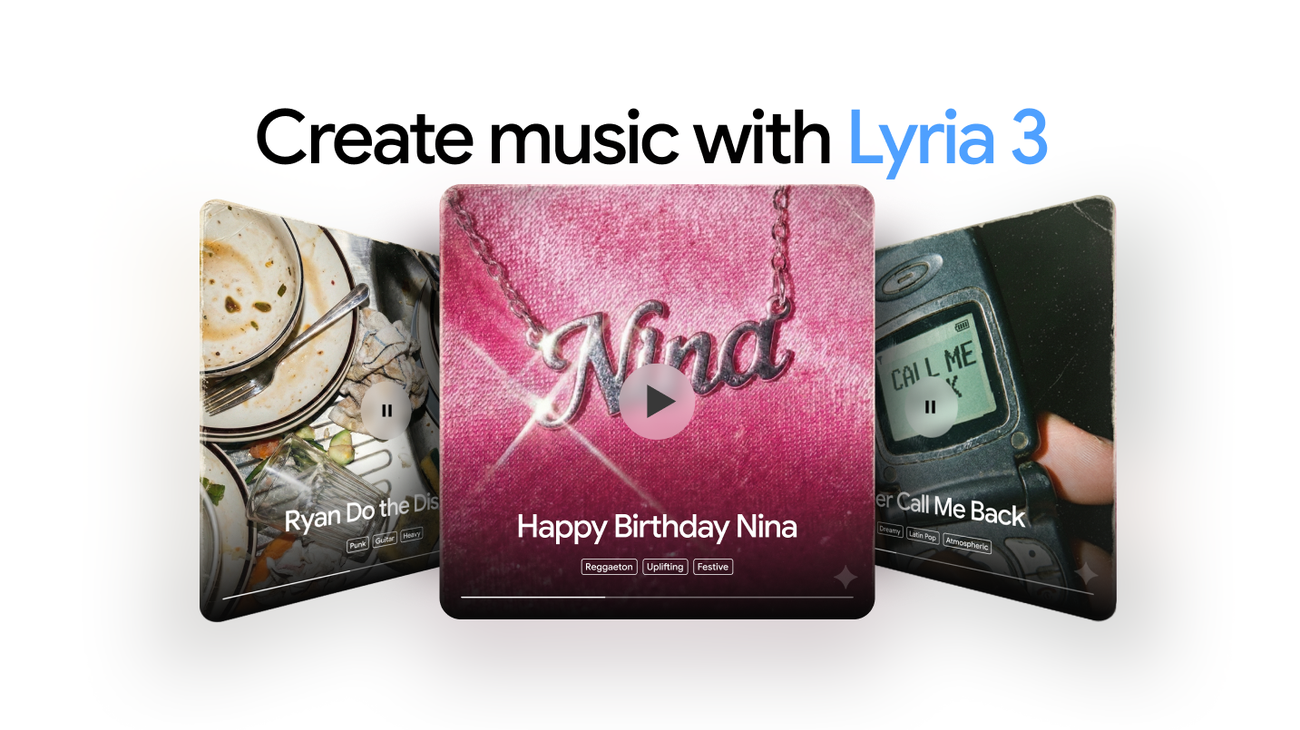
Lyria 3: Google's Music Generation Tool - A Deep Dive
Table of Contents
Quick Overview: The Official Pitch vs. The Reality
Google DeepMind just released Lyria 3, their smartest music-making AI yet. You can try it out right now in the Gemini app or on YouTube’s Dream Track. Basically, you type in a description, and it turns your words into actual music.
Here’s the deal: while the phone app lets you make quick 30-second clips, the full version can create songs up to 3 minutes long. This makes it useful for both fun social media posts and serious music projects. Much like the tools we looked at in Suno vs. Udio: A Creator's Guide to the New AI Music Generation Tools, the real trick is knowing which tool fits your specific project.
How It Works: A Look Under the Hood
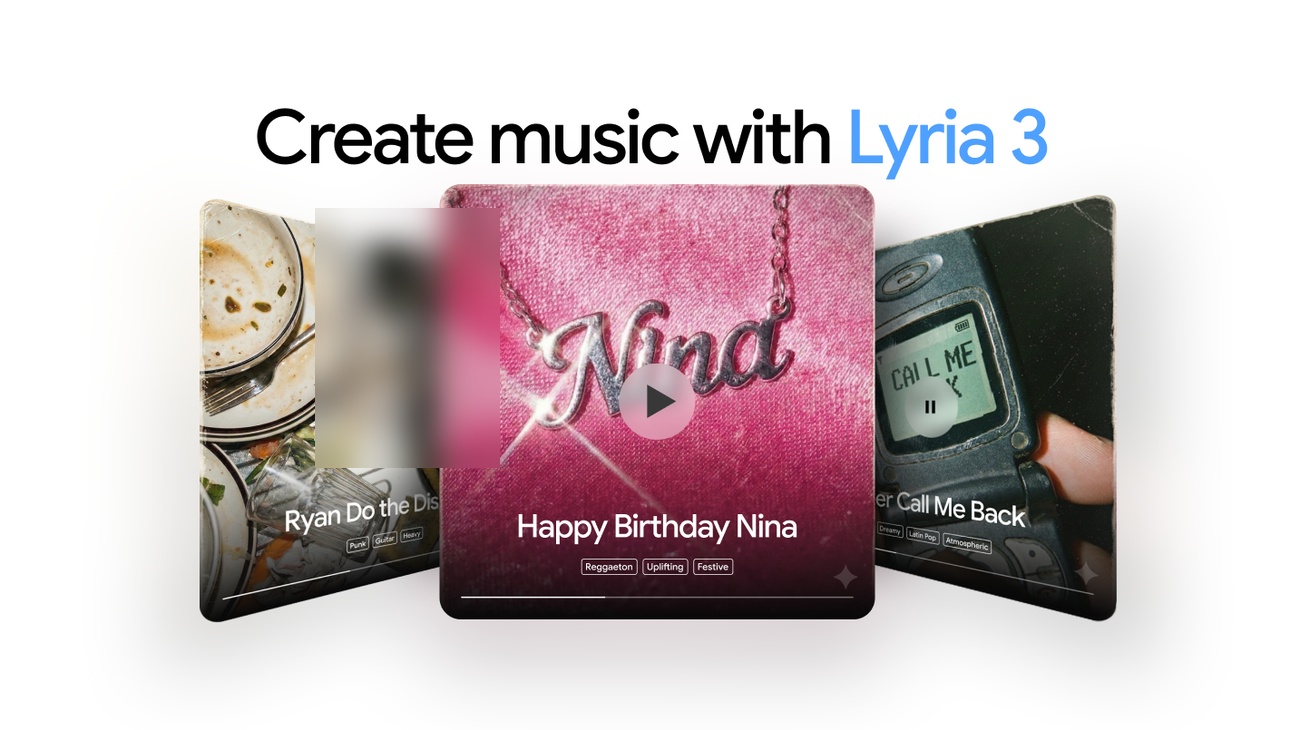
Lyria 3 does more than just turn text into sound. Google worked with real musicians to make sure the AI understands things like rhythm and how a song should flow. It uses something called "Zero-shot generation," which means it can create high-quality songs from scratch without needing to see examples first.
The best part? It can also write lyrics for you, let you tweak how the singer sounds, and even use pictures to inspire a new song. This is a huge step forward, similar to the tech we explored in Beyond the Hype: Deconstructing Google DeepMind's AI Music Prowess.
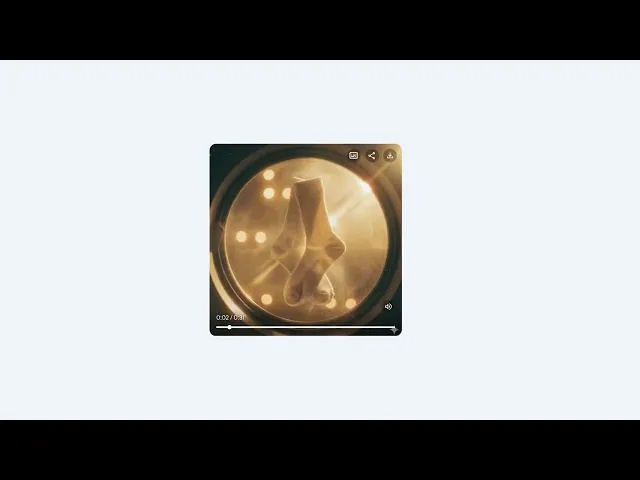
Performance Snapshot: Interface and Control
| Feature | Gemini App (Beta) | Lyria 3 (Full Model) |
|---|---|---|
| Max Track Duration | 30 Seconds | 180 Seconds |
| Language Support | 8 Languages | Global / Multi-lingual |
| Output Quality | Catchy / Beta | Professional-Grade |
Real-World Success: Helping Creators Dream Big
Google wants Lyria 3 to be a helper for professional artists. They’ve already teamed up with stars like Wyclef Jean to show how the AI can create unique sounds that are hard to make with regular instruments. Honestly, it’s about helping humans be more creative, not replacing them.
Community Pulse: Safety and Exploring the Limits
Safety is a big deal here. Google adds a hidden "watermark" to every song so people know it was made by AI. But wait, there's a catch: users are already trying to see what the system can and can't do. Google admits they are still working on these safety rules as they go.
The Bottom Line: Lyria 3 is a great tool for YouTubers and hobbyists who need quick, high-quality music. If you're a pro, it's a fantastic way to brainstorm new ideas. Just remember to treat it like a partner—you'll still need to check the work to make sure it matches your style.
Frequently Asked Questions
Can I use these songs to make money? Even though the tool is powerful, you should always double-check Google’s latest rules on copyright before using AI music for business.
How do I make it sound more natural? Try using very descriptive words. Tell the AI exactly how fast the song should be or what kind of mood you want. The more detail you give, the better it sounds.
Will this replace real music producers? Not really. Think of Lyria 3 as a super-powered "mood board" for your ideas. It’s a great starting point, but it still can't beat the ears and intuition of a human expert.
Sources & References
Hands-On with Lyria 3
During testing, I found Lyria 3 to be remarkably intuitive. Using the Gemini app, I entered the prompt "upbeat electronic track with a driving bassline and a catchy synth melody for a workout video." The AI generated a 30-second clip that was surprisingly polished, capturing the requested energy. The bassline was indeed driving, and the synth melody was memorable. However, extending this to a longer track required the full Lyria 3 model. When I attempted to create a 3-minute song with a similar prompt, the AI produced a coherent piece, though some sections felt slightly repetitive, highlighting the need for human curation in longer compositions. The ability to tweak vocal styles was also a fun, albeit experimental, feature, allowing for a range of emotional nuances. While the output is impressive, it's clear that for professional use, significant editing and arrangement would still be necessary to achieve a truly unique and polished final product.

Alex Chen | Latest AI
AI Automation Specialist & Tech EditorAlex Chen is a tech enthusiast with a passion for AI and music production, who has been following the evolution of generative audio tools since 2023. They specialize in enterprise AI implementation and ROI analysis, providing hands-on insights into what works in the real world.