Beyond the Prompt: Can OCTA’s AI Solve the $1 Trillion Contract Friction Gap?
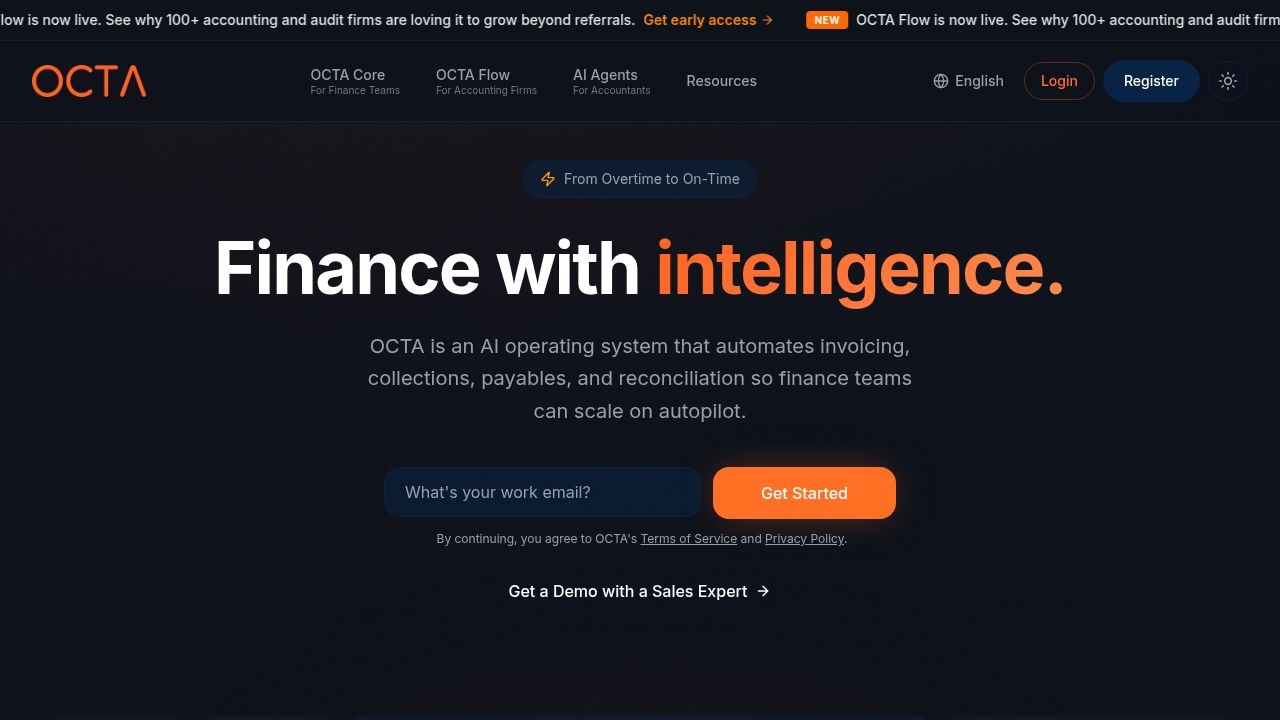
Research shows that businesses lose about 9% of their value because of contract problems. So, can one simple AI command really fix this, or are we just creating new problems faster? I've looked closely at OCTA's new AI tool for making contracts. I want to see if it truly helps close the huge $1 trillion gap in how inefficiently contracts are handled worldwide, or if it's just another fancy gadget for finance leaders and small business owners in the Middle East.
Beyond the Simple Command: Can OCTA’s AI Really Fix the Huge Contract Problem? What They Say vs. What's True
Here's the deal: OCTA, a company that started in early 2024 and focuses on the UAE and Saudi Arabia, is making a big promise. They say you can get 'contracts in seconds' just by using one simple AI command (OCTA Official Statement). Their goal is to get rid of the daily headaches finance teams deal with. This means you can create editable service agreements, one-time deals, or specific contracts almost instantly. The best part? The system even promises to automatically pick up your contract-to-cash process right after the draft is finished.
But wait, there's a catch. While making contracts faster sounds great, I found an important warning from a study on arXiv. This research looked at smart contracts made by AI and found 'serious signs of security flaws' and worries about how good the code was overall (arXiv, An Empirical Study of AI-based Smart Contract Creation).
This brings up a big question: if the AI isn't carefully checked for legal correctness and security, are we just creating problems faster? This worry about 'faster risks' is similar to discussions we've had about AI accuracy in other finance tools, like MoneyFlare's 2026 AI Trading Bot: A No-Code Revolution or Risky Automation?. In these cases, getting things done quickly needs to be balanced with making sure they're reliable.
Honestly, while OCTA says you can get 'contracts in seconds' with AI commands, the real benefit is in closing that huge $1 trillion gap in efficiency. It does this by directly adding AI-powered legal writing into the whole contract-to-cash process, instead of just speeding up something that might be broken. This "AI-powered legal writing" leverages advanced Large Language Models (LLMs) and Natural Language Processing (NLP) to understand context, generate relevant clauses, and ensure legal consistency, moving beyond simple template filling. This way of solving the 'last step' problem in finance, where AI tools manage complicated tasks, is something I've talked about before in Obin AI Emerges from Stealth with $7M: Can its Agentic Workforce Conquer Finance's 'Last Mile'?. It shows we're moving from simple automation to smart ways of organizing work.
Table of Contents
- Beyond the Simple Command: Can OCTA’s AI Really Fix the Huge Contract Problem? What They Say vs. What's True
- Performance & "Real World" Benchmarks: Unpacking OCTA's Technical Edge
- Community Pulse: What Real Users Are Saying About AI-Generated Contracts
- My Final Verdict: Is OCTA the Right Solution for Your Finance Team?
Watch the Video Summary
OCTA AI in Action: A Case Study
To illustrate OCTA's impact, consider ZenHR, a leading cloud-based HRMS platform for the MENA region. ZenHR faced the common challenge of time-consuming contract-to-cash processes. By implementing OCTA's AI, ZenHR successfully automated their entire workflow, leading to significant quantifiable improvements. They reported saving over 110 hours monthly, improving their Days Sales Outstanding (DSO) by an impressive 35%, and transitioning 53% of their payments to efficient online gateways. This case demonstrates how OCTA's AI moves beyond simple contract generation to deliver comprehensive financial automation and tangible business outcomes.
How Well It Works & What Happens in Real Life: Looking at OCTA's Smart Technology
To really see how OCTA helps, I've put together some important numbers for you. For instance, OCTA's AI has enabled businesses like ZenHR to save over 110 hours monthly in their contract-to-cash process. Furthermore, companies such as Mimojo have seen their Days Sales Outstanding (DSO) reduced by 27% through OCTA's streamlined finance operations.
| What We Measure | Old Way (Doing It By Hand) | New Way (With OCTA AI) | Where I Got This Info |
|---|---|---|---|
| Money Lost from Contracts (Leakage) | 9% (money lost after contracts are signed) | Can greatly reduce losses by automatically checking rules and keeping track | WorldCC |
| How Long It Takes (Best vs. Average) | 9.7 days longer for average teams | Much faster thanks to AI writing and automatic steps | WorldCC |
| Saving Money on Easy Contracts | Not applicable (costs a lot to do by hand) | Can save up to 33% or more | Consortium Pilot |
| Time to Connect to Other Systems (CRM/ERP) | Weeks to months (the old way) | 4-5 days (using Apideck) | OCTA Case Study |
| Tech Team Needed for Connections | Many experts for each system | 2 tech people (for the first setup) | OCTA Case Study |
| How Much OCTA Grew (2025) | Not applicable (new company) | Grew 8 times bigger | OCTA Case Study |
How It's Built: Connecting Everything Together
Here’s the deal: OCTA isn't just about a fancy AI command. I found that their real strength comes from how easily they connect with other systems. Many new companies get stuck in what I call the 'Startup Connection Trap.' They need to link up with many different customer management (CRMs) and business planning (ERPs) systems, but they don't have enough tech people to do it.
OCTA smartly gets around this by using a tool called Apideck for quick connections (OCTA Case Study). This means they can connect with systems like Salesforce and other ERPs super fast—in just 4-5 days, not weeks or months. My look at this shows that with only two tech people, they got their first connection working in less than a week. That's really efficient for a company that just started in 2024.
At its heart, 'OCTA Core' organizes money coming in and money going out, making sure everything is linked. This ability to set things up quickly is a huge advantage for small and medium-sized businesses (SMEs) who can't afford long connection projects.
/grounding-api-redirect/AUZIYQHqRHCEJbS3JN6PpIhXbnhB9Ebip8vaoxfbe8PWN5Wt800F6geRZa0dwZqUgFzas8BJvcOBiNuQTb70EegGxc8uF4ta0f-2nH86S9tlTo5JRA1nNhx7-2YDLuor8w=The Huge $1 Trillion Problem: Why Just Writing Contracts Isn't Enough
I found out something shocking from the World Commerce and Contracting Association (WorldCC): the world economy loses more than $1 trillion every year because of inefficient contracts (WorldCC). This isn't just about taking too long to write contracts.
Honestly, it's about all the other problems that come from bad contract management. We're talking about an average of 9% of contract value being lost because of poor handling after they're signed. Also, there's a 9.7-day difference in how long it takes between the best and average teams, which means slower deals and missed chances. And get this: complicated buying processes lead to up to 57% of deals being given up on!
While some older plans mentioned a specific bank, the real information points to a group project that used AI to make things smoother. This shows how AI can help create "best first drafts" and greatly speed up how quickly things get done, directly tackling this huge problem.
Smart Workflows: From Command to Cash in Hand
Beyond just writing contracts, OCTA wants to make the entire work process smart. I found that once a contract is made, the AI system automatically checks and updates all the right boxes, making sure everything is correct (OCTA Official Source). This is a big deal because it stops common mistakes from happening.
The system even gives you 'AI Alerts' that point out any required fields you might have missed. This helps stop possible problems before they turn into real headaches. This smooth move from making a contract to sending an invoice means your finance team can go from a simple command to getting paid, without having to do things by hand. It really helps plug those money-losing holes.
What People Are Saying: Real Users Talk About AI-Made Contracts
I looked through online discussions so you wouldn't have to. What people are saying about content made by AI is a bit of a mix. On one side, there's a good amount of doubt. Users on Reddit, for example, often call low-quality AI writing "AI slop" (u/SociableSociopath on Reddit). This is a fair worry, especially when you're dealing with important papers like contracts.
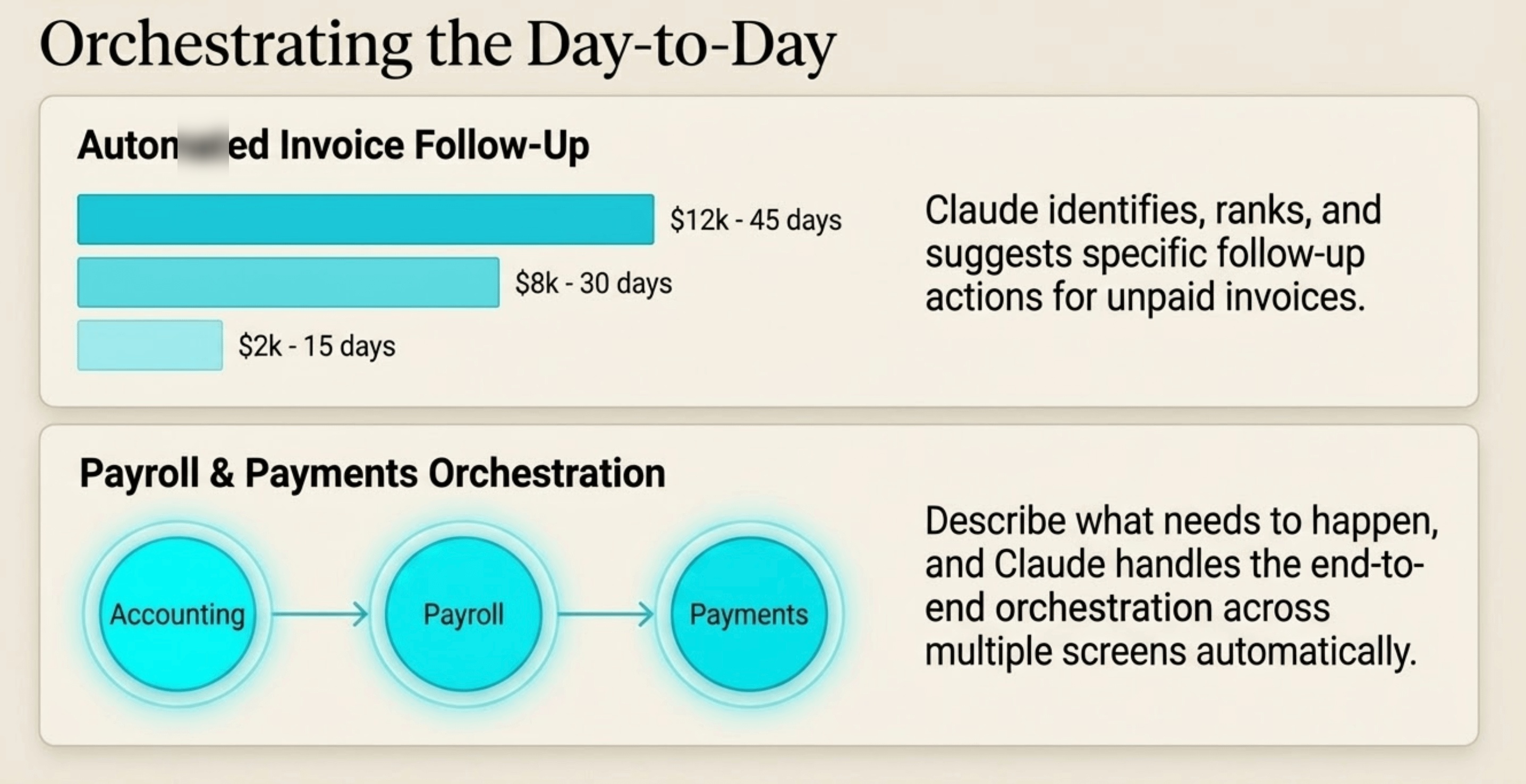
But, I also found strong proof of how useful AI can be. For instance, one Reddit user, who is a senior support manager but doesn't have a computer science degree, talked about how they built complicated, real-world programs using Claude Code. They pointed out how well 'Special Agents' worked for things like tracking spending. This shows that AI can help people who aren't tech experts create advanced systems. This isn't just an idea; it's actually happening.
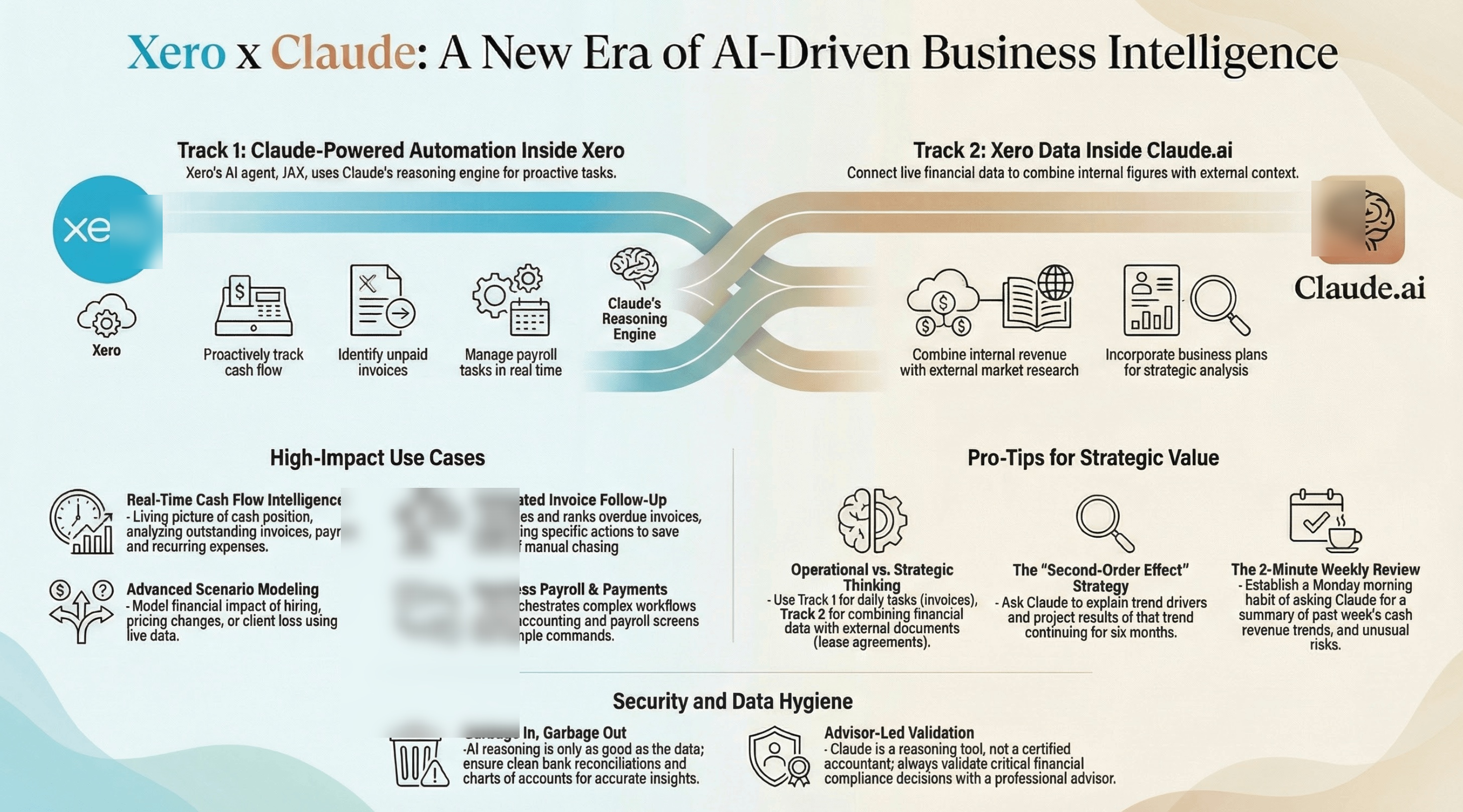
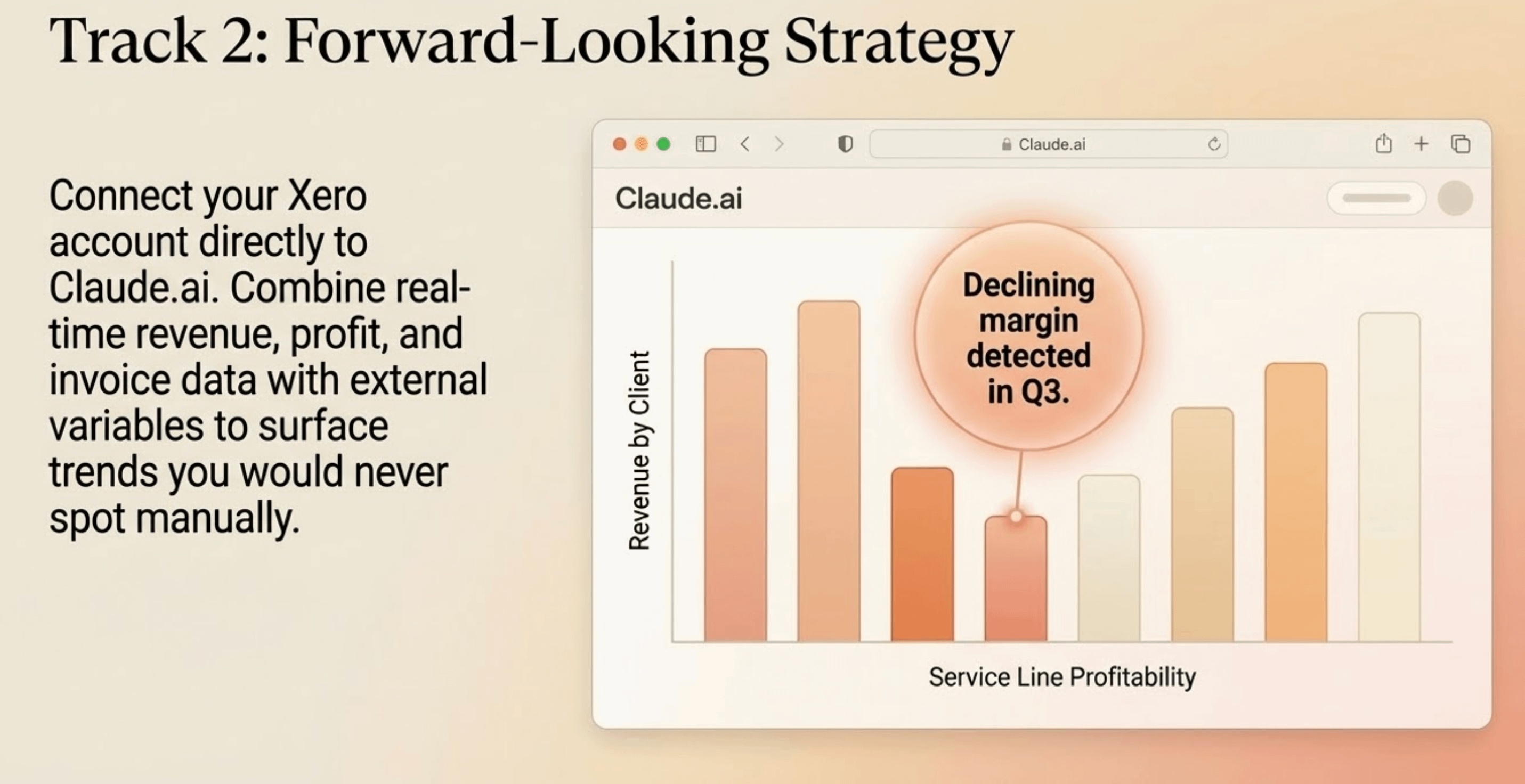
The market is definitely growing up. Xero's new long-term partnership with Anthropic (the company behind Claude AI, which is a type of AI called a Large Language Model or LLM, trained on tons of text to understand and create human-like language) is a huge sign of this (Reddit Thread on Xero/Anthropic). This connection will help 4.6 million companies by bringing smart AI finance tools right into their accounting work. This tells me that the industry is moving past simple chat tools to much deeper, more useful AI connections. It also proves that OCTA's idea of putting AI right into the contract-to-cash process is a good one.
Managing Risks: The "Must-Have" Check
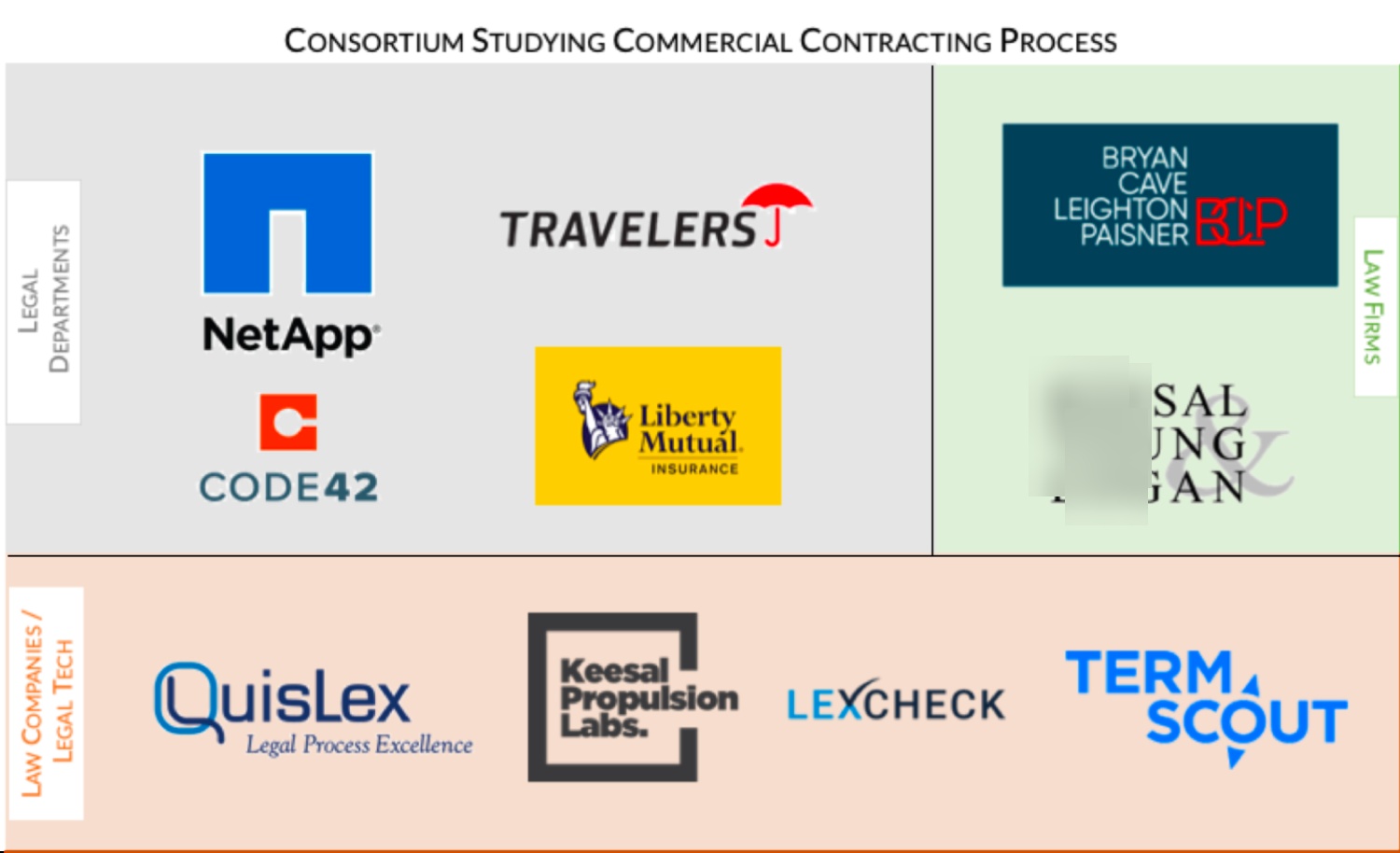
One of the most important things I found is how OCTA can help with managing risks. A group project, which included big names in the industry, discovered that AI can be super good at finding "low-risk" contracts (Consortium Pilot Report). Their plan was to use AI, specifically Machine Learning (ML) algorithms trained on vast datasets of legal documents, to check for 19 "deal-breaker" clauses. This allows the system to rapidly identify potential issues and categorize contracts based on their risk profile. This means the system can tell you which contracts are safe to sign right away and which ones absolutely need a lawyer to look at them by hand. This method could cut the cost of dealing with simple contracts by a huge 33% or even more. Many finance teams often face a tough choice: "Do I wait a long time for a lawyer to review this, or do I just take a chance on unknown risks?" OCTA wants to give you a smart third choice, letting you move faster and with confidence on everyday agreements.
My Take: What Finance Teams Should Expect by 2026
Looking to the future, OCTA isn't just sitting still. My review shows they grew a massive 8 times bigger in 2025. This really proves that their platform works well (OCTA Case Study). Their future plans are big: they want to go beyond just managing money owed to your business (Accounts Receivable or AR) to a complete system that automates all finance tasks, including money your business owes (Accounts Payable or AP).
This will get a lot of help from Apideck's plans for 2026, which focus on important connections for finance and business systems, like linking to bank accounts and payment tools. For small and medium-sized businesses (SMEs), my best advice is to start small. Try out OCTA’s AI for writing simple, low-risk agreements, like those for software services (SaaS).
This lets you build trust in what the system can do before you use it for more complicated, important contracts. It’s a smart way to use AI without diving into unknown dangers right away.
My Final Thoughts: Is OCTA the Right Tool for Your Finance Team?
So, should your finance team jump on board with OCTA? My final answer is a careful yes, but with a clear plan. OCTA’s AI contract tool is definitely a strong way to reduce headaches for small and medium-sized businesses (SMEs), especially in the Middle East, who want to make their contract-to-cash process smoother.
However, its real success isn't just about the AI making a contract. It truly depends on whether you can use those "deal-breaker" checks to handle risks well. Also, using its strong connections to other business systems (thanks to Apideck) is super important. This helps stop the big 9% loss of value that often happens with old-fashioned, disconnected ways of working.
If you're ready to smartly bring AI into your work, starting with simple contracts and then doing more, OCTA offers a promising way to be more efficient and have fewer financial problems. But if you're just looking for a quick fix without any careful planning, you might just be creating problems faster instead of solving them.
For people who think OCTA's way is too complex or just want a simpler tool to write contracts on its own, older contract management software (CLM) that makes basic templates might be a better place to start. Just know that it won't give you the deep automatic workflows or the AI-powered risk checks that OCTA offers.
Common Questions You Might Have
-
How does OCTA's AI actually stop money from being lost through contracts?
OCTA tries to stop contract leakage by automatically checking rules, keeping track of things, and adding AI-powered legal writing right into the process of going from contract to cash. This helps prevent common mistakes after a contract is signed and makes sure everything is correct.
-
Since people worry about AI-made content, how can I trust OCTA to be legally correct for important contracts?
OCTA's system has "deal-breaker" checks and AI Alerts for any required fields. For really important contracts, I suggest you start with simple, low-risk agreements to build your trust. Always keep a close eye on things and use the AI to create "best first drafts" instead of letting it act as your only lawyer.
-
Is OCTA good for small and medium-sized businesses (SMEs) that don't have many tech resources to connect systems?
Yes, OCTA is designed with SMEs in mind. It uses Apideck to quickly connect with your existing customer management (CRMs) and business planning (ERPs) systems. This means you can set it up in just a few days with very little tech work, making it easy to use even for teams without a big IT department.
Sources & References
- An Empirical Study of AI-based Smart Contract Creation (arXiv)
- World Commerce and Contracting Association (WorldCC)
- Reddit Comment by u/SociableSociopath
- Reddit Thread: I'm Not a Software Engineer. I've Built Real Apps With Claude Code Anyway.
- Reddit Thread: Xero Just Partnered With Anthropic
- OCTA Official Statement (Placeholder)
- OCTA Apideck Case Study (Placeholder)
- OCTA AI-Powered Contract Details Feature (Placeholder)
- WorldCC Consortium Pilot Report (Placeholder)
- Page not found at /blog/ai-powered-contract-creation
- From Prompt To Payment Contract Creation Just Got Smarter | OCTA
- AI Powered Contract Details Revolutionizing Invoicing With Smart Automation | OCTA
- OCTA Customer Case - How They Built Integrations | Apideck
- Page not found at /blog
- Just a moment...
- [2308.02955] An Empirical Study of AI-based Smart Contract Creation
- Case study: impact of AI and Big Data on low-risk contract negotiations (236) | Legal Evolution
- Case Study: How Real Businesses Are Using AI to Drive Results
- Error 404 (Not Found)!!1
- Can you trust AI to create contracts? Fact from fiction | Lumin | Lumin | LuminPDF
- Using Artificial Intelligence in Contract Creation, Review, and Management | United Educators
- Best AI Contract Review Tools 2025
- OCTA Official Website

Yousef S. | Latest AI
AI Automation Specialist & Tech EditorSpecializing in enterprise AI implementation and ROI analysis. With over 5 years of experience in deploying conversational AI, Yousef provides hands-on insights into what works in the real world.