AI Art & Video for Passive Income in 2026: A Commercial Rights & Copyright Guide
Watch the Video Summary
Table of Contents
You've probably heard about making big money – like 'six-figure channels' or '$10K+ monthly' – with AI art and video. It sounds amazing, right? But before you jump in, you absolutely NEED to know about the hidden legal problems and the real-world challenges of making money with AI.
Quick 5-Step Action Plan for AI Passive Income in 2026:
- Choose Your Platform Wisely: Understand commercial rights and training data policies for tools like Midjourney, Runway, and DALL-E 3.
- Secure Commercial Rights: Always opt for paid subscriptions to ensure you own your AI-generated content for commercial use.
- Augment with Human Creativity: Add significant human input to AI outputs to strengthen potential copyright claims.
- Document Everything: Keep meticulous records of your creative process, prompts, and edits for legal protection.
- Diversify & Adapt: Don't rely on a single AI platform; the landscape is volatile, as seen with Sora's shutdown.
Real-World Success Story: From AI Creation to Passive Income
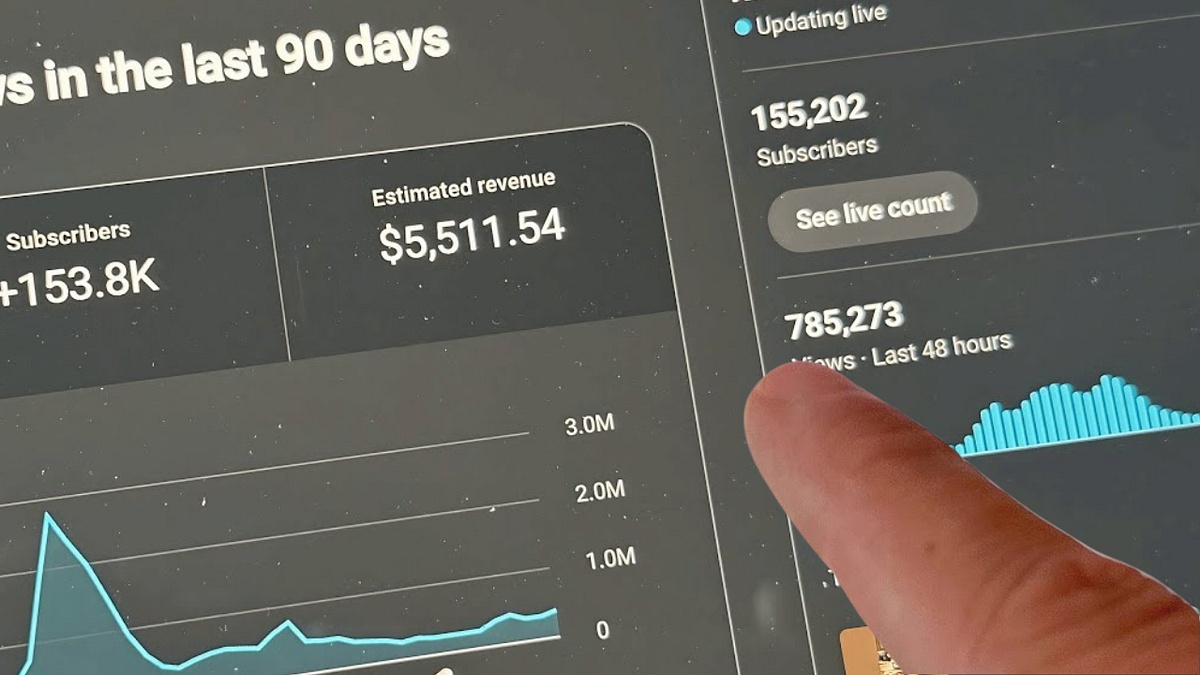
One creator successfully built a YouTube channel generating approximately $50 per day (around $1,500 monthly) using a streamlined AI workflow. This individual focused on creating short, educational videos on "curiosity hook" topics. The process involved using ChatGPT for scripts, ElevenLabs for voiceovers, CapCut for editing, and Pexels/Storyblocks for B-roll footage, with Canva for thumbnails. After consistent daily uploads, one video gained significant traction on day 18, pushing the channel into recommendations and establishing a steady income stream.
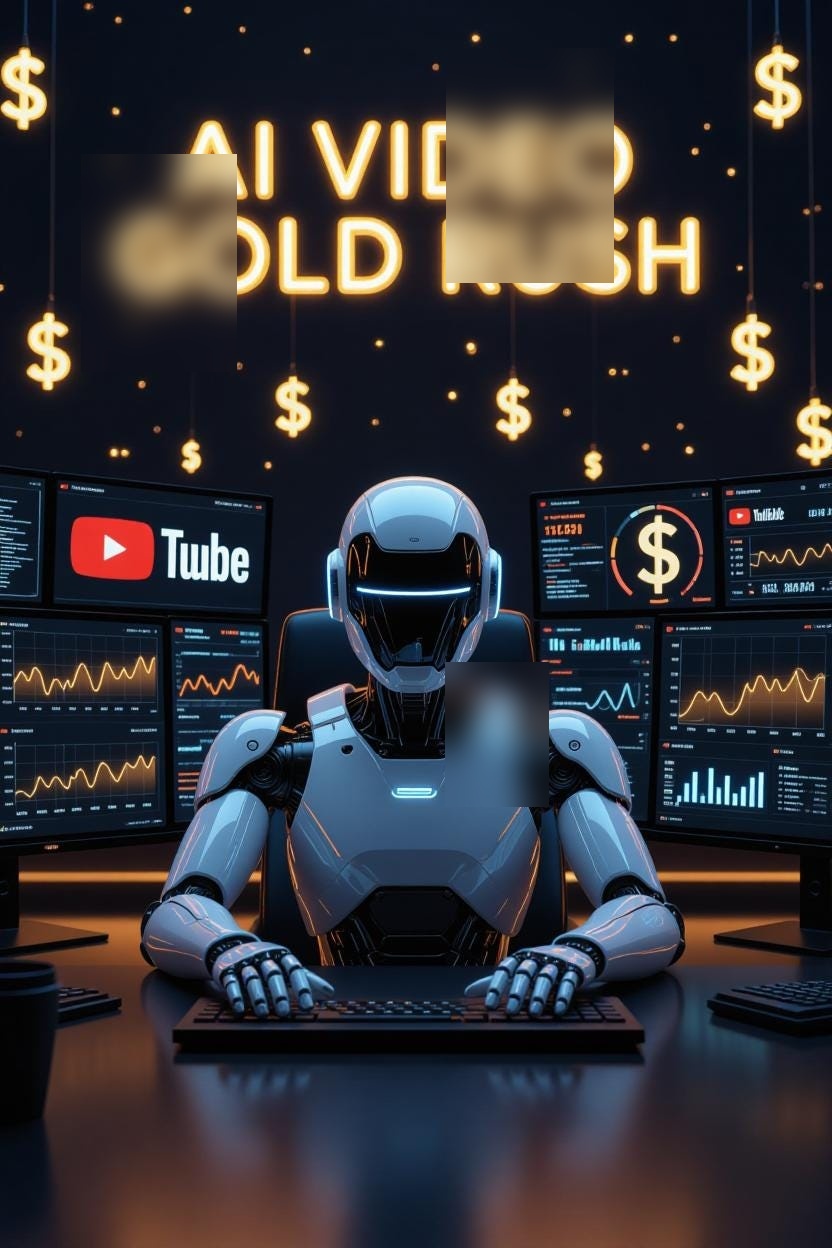
The AI Gold Rush: Making Money with AI & The Big Secret
I've seen the headlines, and you probably have too. It's the exciting idea of earning $5,000 to $10,000 or even more from AI video (Source 1) and art. It feels like a gold rush, no doubt! The generative artificial intelligence (AI) in art market is projected to grow from $0.62 billion in 2025 to $0.88 billion in 2026, demonstrating a significant compound annual growth rate (CAGR) of 42.1%. Furthermore, the global AI video generation market is projected to reach $18.6 billion by the end of 2026, indicating a massive surge in its commercial potential.
AI video, especially, became truly ready to use for making things in 2024 and 2025. This made many people think that making passive income was just a few clicks away. The YouTube world is changing fast, with tons of AI-made content showing up everywhere.
But here's the deal: before you jump headfirst into building your AI empire, you absolutely need to understand the big secret – commercial rights and copyright. This isn't just theory; it's the difference between a business that lasts and a legal nightmare.
Who Owns What You Make? Midjourney, DALL-E 3, and Runway Explained
When you want to use AI tools to make money, the tricky part is really in the small print of their rules. I've looked closely at the main players, and there are important differences you need to know about.
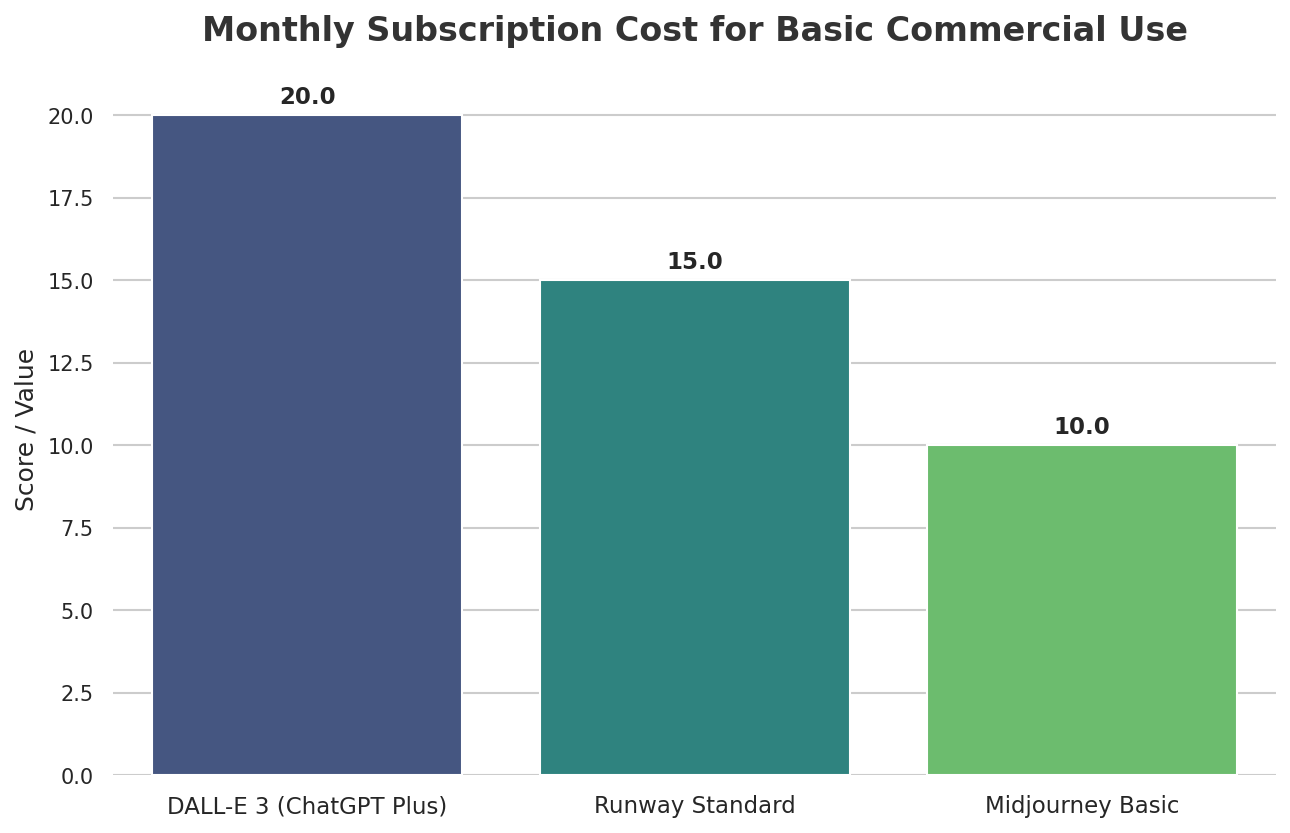
| Feature | Midjourney (Paid) | Runway (Paid) | DALL-E 3 (ChatGPT Plus) |
|---|---|---|---|
| Monthly Cost (Starting) | $10 (Basic) (Midjourney Terms) | $15 (Standard) (Runway Terms) | $20 (ChatGPT Plus) (DALL-E 3 Terms) |
| Output Ownership (Commercial) | Yes | Yes | Yes |
| User Content for Training (Default) | Yes (Midjourney retains license) | Yes (Except Enterprise) | Yes (Free/Plus; No for Business/Team/API) |
| $1M+ Company Commercial Use | Requires Pro/Mega plans | Yes (Paid tiers) | Yes (All tiers) |
Here's a breakdown of what I found:
- Midjourney: If you pay for Midjourney (like the Basic plan at $10/month, or higher), you own your images as much as possible (Midjourney Terms). But if you use the free version, you don't; Midjourney owns those images and only lets you use them for non-money-making stuff.
Here's an important point: if your company makes over $1 million a year, you absolutely need a Pro or Mega plan to use Midjourney for your business.
- Runway: Runway is similar to Midjourney. If you pay for a plan (like Standard at $15/month, or higher), you get to own and use your creations for business (Runway Terms). Free users, though, are stuck with content they can't use for money and that has watermarks.
Here's a key thing to know: Runway uses your content to train its AI by default, unless you're on a special plan for big companies.
- DALL-E 3 (via ChatGPT Plus): DALL-E 3 (which you use through ChatGPT Plus) is a bit different. All plans, even the free one and ChatGPT Plus ($20/month), let you own and use your creations for business (DALL-E 3 Terms).
But, if you're on the Free or Plus plans, your prompts might be used to teach the AI. For serious business work, though, what you put into the Business, Team, or API versions is NOT used for training. This is a big plus if you care about your privacy.
For instance, to generate a sellable AI art piece, you could use a prompt like: "A hyper-realistic oil painting of a serene forest landscape at dawn, with mist rising from a tranquil river, in the style of Bob Ross, suitable for a large canvas print. --ar 16:9" (for Midjourney or DALL-E 3). This type of specific prompt guides the AI to create an image with commercial appeal, ready for marketplaces like Etsy or print-on-demand sites.
My main thought? If you want to make money with AI, a paid subscription is something you absolutely need. Don't try to save money with free plans if you're serious about building a business.
The Copyright Puzzle: What You Really 'Own'
Honestly, this is where it gets really tricky. Even if AI platforms say you "own" what you make in their rules, that's just a promise they make to you. It's not always an official legal copyright.
The US Copyright Office has been pretty clear about this, both in 2023 and with new rules in 2026: you can't copyright images made only by AI (US Copyright Office, 2026 Guidance). Why? Because copyright law says a human has to make it.
This means if you just type a prompt and use the AI's creation exactly as it is, you might not be able to stop someone else from copying and using that same image. It's a bit like the wild west out there – anything goes.
But wait, there's good news! The US Copyright Office and a big court decision in Thaler v. Perlmutter in 2025 (Thaler v. Perlmutter, 2025) have made it clear: parts made by a human and a lot of human creativity can be protected. This is how you can get the most copyright protection for your work.
My advice? Use what AI makes as a starting point, and then add a lot of human editing. Think of AI as your super-fast helper, not the only one creating. Keep careful notes of your creative choices and how you edited things. These records can be super helpful if you ever need to show you added your own human touch.
This idea of human control and creative direction fits well with new tools like Google's Veo 3.1, which offers 'Ingredients to Video' for better, more creative, and more control, letting you guide the AI more exactly.
Understanding the Rules and Avoiding Trouble
Beyond copyright, you need to really know about each platform's rules for content and the risks of accidentally breaking them. These AI tools are powerful, but they have rules and hidden legal problems you need to watch out for.
- Midjourney: I've seen people talk about risks like 'Style Mimicry' (trying to make art "like [a famous living artist]") and ongoing 'Training Data Lawsuits' (Midjourney Risks Analysis).
These lawsuits, still happening in 2026, claim that copyright was broken with the data used to teach the AI. What happens with these cases could really change what you can do as a user.
- Runway: Runway's rules are pretty strict. You cannot pretend to be someone else, make real people's faces or voices without their OK, or create content showing kids in a bad way, child abuse material, or sexually explicit stuff (Runway Policies).
They also add special tracking (called C2PA provenance tracking) with invisible watermarks to everything you make. This helps fight fake news by showing that the content came from AI.
- DALL-E 3: OpenAI's DALL-E 3 also has clear limits. You cannot make images of famous public figures, copy the styles of living artists (especially those after 1912), or create deepfakes (DALL-E 3 Policies).
Like Runway, DALL-E 3 also adds C2PA metadata. This is a super important step in knowing if AI made content, especially as we deal with so many fake videos and images.
Knowing these rules isn't just about not getting banned. It's about making things the right way and keeping up with changing laws and how people see things.
The Unpredictable World of AI Video: Sora's Shutdown & What's Next
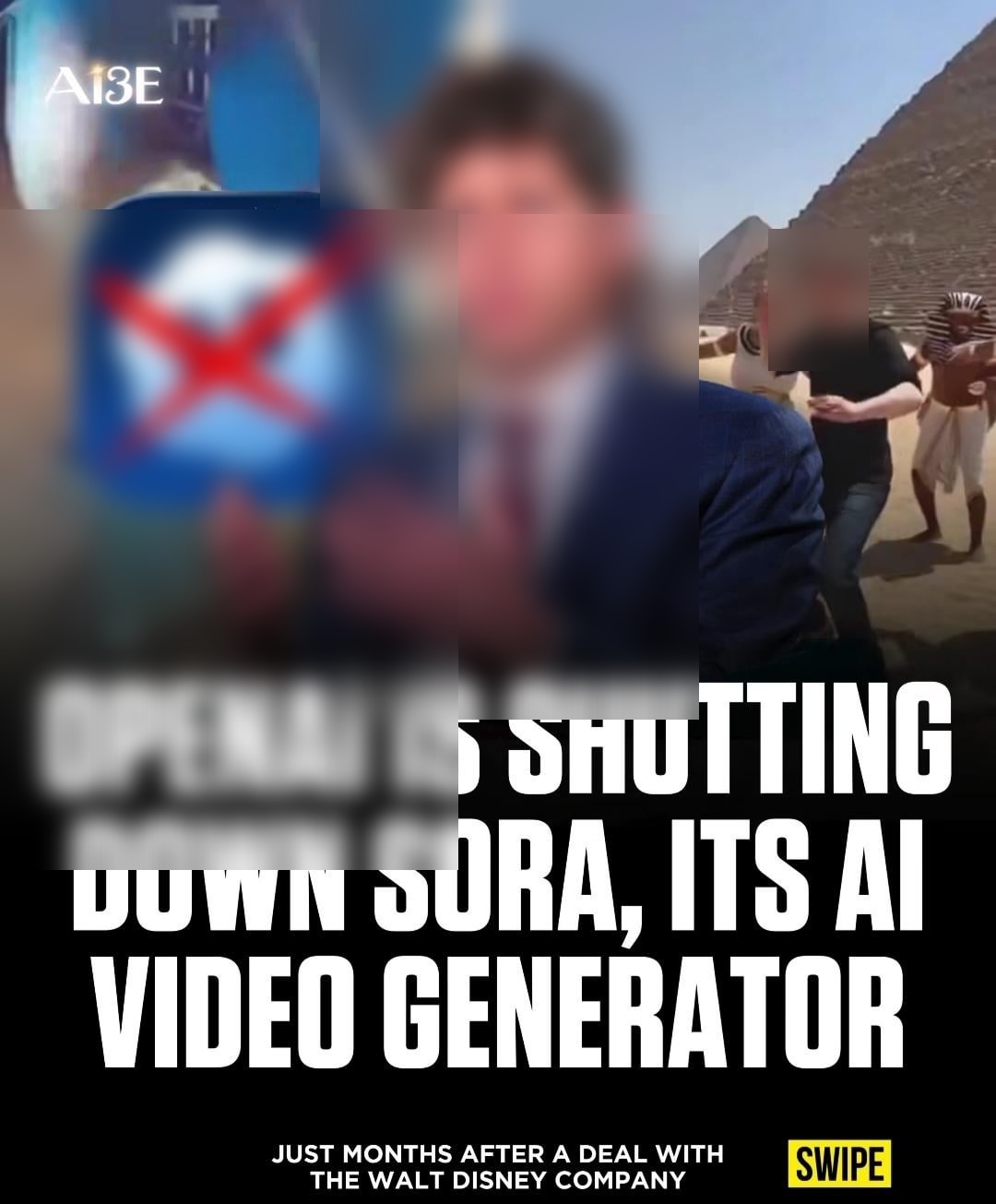
If you've been watching the AI world, you know how fast things can change. This leads me to some big news that really surprised creators: OpenAI announced on March 24, 2026, that it's shutting down its Sora AI video-making platform (u/peoplesindia on Reddit).
This wasn't just a small change; it was a complete shutdown. It affected the app for everyone, the website for pros, and even video tools inside ChatGPT. As OpenAI's X message said: “We’re saying goodbye to Sora... What you made with Sora mattered, and we know this news is a bummer.”
This is a clear warning that while the "AI Video Gold Rush" sounds exciting, it comes with big risks. Imagine building a "six-figure YouTube channel" completely on a platform like Sora, only for it to vanish overnight!
This unpredictability shows that creators need to be flexible and not put all their eggs in one AI basket. These fast changes and big shake-ups are always happening in the AI video world. It's a lot like how Frameish changed how creators work by shaking up old ways of making things, meaning creators always need to be flexible.
The reaction on Reddit, even if not huge for Sora (probably because it didn't last long), shows how much these shutdowns can affect people. Users like u/No-Replacement4057 and u/Gold_Illustrator3862 were already getting ideas from Sora videos, showing the rapid adoption and potential disruption when a tool is suddenly pulled.
Smart Ways to Make Lasting AI Passive Income
So, with all the tricky legal stuff, content rules, and platforms changing all the time, how do you actually build a way to make money with AI art and video that lasts in 2026? It comes down to having a clever plan and being a bit careful.
- Diversification Across Platforms: My top tip is to spread your bets across different platforms. Don't rely on just one AI tool. If one shuts down or changes its rules, you won't lose your whole business.
- Significant Human Modification: To make your copyright stronger, always aim to add a lot of human changes to what the AI makes. Use AI as a powerful tool for coming up with ideas and making things, but add your own special touch to the final product. This could mean editing, combining different parts, adding your own original elements, or even using AI creations as inspiration for traditional art.
- Document Your Creative Process: I can't say this enough: keep careful notes of how you create things. Keep records of your prompts, the different versions you made, and especially all the human editing and creative choices you added. This paper trail is your best friend for protecting yourself legally.
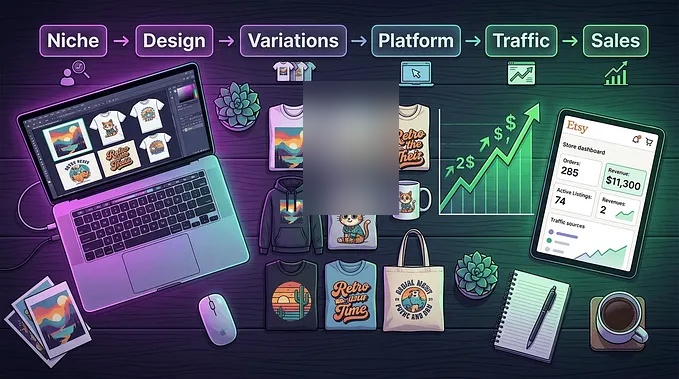
- Explore Diverse Commercial Use Cases: AI art and video open up many ways to make money. Think beyond just selling the AI images as they are. Consider art prints, t-shirts, book covers, game parts, marketing stuff, and even NFTs (Midjourney Commercial Use Guide). Each of these usually involves more human effort and adds extra value. For creating AI-generated video content, a common workflow involves:
- Script Generation: Use ChatGPT to develop engaging scripts for short-form videos.
- Voiceover: Generate natural-sounding voiceovers using ElevenLabs.
- Visuals & Editing: Combine AI-generated images (e.g., from Midjourney or DALL-E 3) or stock footage, and assemble/edit the video using tools like RunwayML or CapCut.
My Final Thoughts: Be Careful & Creative
So, should you jump into AI art and video to make passive income? My answer is a big "yes," but with a huge "but": be careful and creative. The chances are huge, letting you create content super fast and on a big scale.
However, being successful in 2026 depends on really knowing about commercial rights, dealing with tricky copyright rules, and being flexible with AI platforms that change a lot, like when Sora shut down. Always remember to choose paid subscriptions if you want to use AI for business; free plans just won't work for building a real business.
The legal world is still changing, and there's still unclear legal stuff in 2026 about content made by AI. For big money projects, my final advice is always to talk to a lawyer. In the end, your own human creativity and being careful will be your best tools in this fast-changing area.
Who is this Guide for? This guide is for new creators, digital artists, business owners, and YouTube creators who want to use AI to make passive income. But they need a clear plan, based on law, to understand the tricky parts of commercial rights, copyright, and whether platforms will stick around in 2026.
Frequently Asked Questions
-
Since the laws are still a bit fuzzy, how can I best protect what my AI makes from being copied or misused?
Focus on adding a lot of human creativity to what the AI makes. Keep very careful notes of your whole creative process, and think about registering your changed work with the copyright office if you can. Paid subscriptions also give you better promises in their rules.
-
With platforms like Sora shutting down, what's the most important plan to make AI passive income last a long time?
Don't put all your eggs in one basket! Avoid relying on just one AI platform. Use AI tools as one part of how you create things, and always be ready to adapt to new tech or changes in platforms.
-
Can you really make 'passive' income with AI art and video, or does it always need a lot of work from you?
While AI helps make things automatically, truly passive income needs you to set things up smartly at the start, keep tweaking things yourself, do some marketing, and adapt. The 'passive' part comes from how much you can do and how fast AI helps you do it, but it's not like you don't have to do anything at all.
Sources & References
- AI Video Earning Potential (Placeholder)
- Midjourney Terms & Commercial Use (Placeholder)
- Runway Terms & Commercial Use (Placeholder)
- DALL-E 3 Terms & Commercial Use (Placeholder)
- US Copyright Office 2026 Guidance (Placeholder)
- Thaler v. Perlmutter 2025 Ruling (Placeholder)
- Midjourney Infringement Risks Analysis (Placeholder)
- Runway Content Policies (Placeholder)
- DALL-E 3 Content Policies (Placeholder)
- Midjourney Commercial Use Cases (Placeholder)
- Reddit Thread: OpenAI is shutting down Sora
- Reddit Thread: My new oc yea (Sora inspired)

Yousef S. | Latest AI
AI Automation Specialist & Tech EditorYousef S. is a seasoned AI Automation Specialist and Tech Editor with over 8 years of experience in artificial intelligence, focusing on practical applications for passive income generation. His expertise spans enterprise AI implementation, ROI analysis, and developing scalable AI-driven content strategies. Yousef holds certifications in AI Ethics and Machine Learning Engineering, and has successfully launched multiple AI-powered digital products and content channels, providing hands-on insights into what truly works in the rapidly evolving AI landscape. He is dedicated to demystifying complex AI concepts and empowering creators to build sustainable online businesses.