
Sumitomo Heavy Industries' Strategic Bet on Sound Wave Innovation: Analyzing the Future of Early Alzheimer's Treatment with LIPUS-Brain
As more people around the world get older, we really need new and easier ways to treat Alzheimer's. So, can a gentle ultrasound therapy, supported by a big company, actually make a huge difference? And what would that mean for you, your family, and the world of medical devices?
Is a gentle ultrasound therapy truly effective for early Alzheimer's? Or is it just another exciting news story? I've looked closely into why Sumitomo Heavy Industries (SHI) is putting a big bet on Sound Wave Innovation (SWI) and their LIPUS-Brain device. Here's the deal: This isn't just about a new medical tool. It's about a huge industrial company stepping into advanced medical tech. They want to help solve one of our biggest health problems, and also grow their business.
But wait, there's a catch. For this big plan to work, it really depends on current tests (called clinical trials) and if people actually start using it.
LIPUS-Brain: The Official Pitch vs. Reality
The official story for LIPUS-Brain is really exciting. It's a gentle ultrasound device that doesn't go inside your body, designed to help with early Alzheimer's disease. It promises to make life better for patients and their families, offering an easier option than what's out there now.
Honestly, from what I've learned, even though it's still being tested, the real progress seems to match this hopeful vision. It truly shows a lot of potential to make a big difference.
Table of Contents
- LIPUS-Brain: The Official Pitch vs. Reality
- The Strategic Partnership: A New Era for Alzheimer's Treatment
- LIPUS-Brain: The Science Behind the Breakthrough
- The Road Ahead: Challenges and Commercialization Timeline
- Sumitomo's Broader Vision and LIPUS Technology's Potential
- Community Pulse: What Real Users Are Saying
- Conclusion: A Promising Partnership for Global Health
- My Final Verdict: A Breakthrough on the Horizon
Watch the Video Summary
The Strategic Partnership: A New Era for Alzheimer's Treatment
Here's the deal: Sumitomo Heavy Industries (SHI) has made a big move! They've announced they're investing in and partnering with Sound Wave Innovation (SWI). This team-up, shared by SWI on September 5, 2025, and by SHI on September 16, 2025, is all about making and selling the 'Transcranial Low-Intensity Pulsed Ultrasound Therapeutic Device (LIPUS-Brain)'. This device is made specifically for people with early-stage Alzheimer's disease. The Wall Street Journal also reported on this strategic partnership, highlighting its significance in the medical device sector.
This alliance is a significant step for both companies. Shinji Shimomura, Representative Director, President and CEO of Sumitomo Heavy Industries, stated that SHI has invested in Sound Wave Innovation, a university-launched deep-tech startup, and entered into a strategic business partnership for the manufacture and sales of the LIPUS-Brain device, targeting early-stage Alzheimer's disease. Dr. Hiroaki Shimokawa, founder of Sound Wave Innovation and Emeritus Professor at Tohoku University, emphasized SWI's mission to bring innovative medical devices to society that can revolutionize treatments for intractable diseases like dementia, severe angina, and chronic kidney disease, utilizing their minimally invasive Low-Intensity Pulsed Ultrasound (LIPUS) platform technology. This partnership aims to jointly promote the social implementation of this innovative medical device.
For SHI, this isn't just a random project. It's a big shift in their plans, focusing on 'advanced medical devices' as a main way to grow their business by 2026, as outlined in their 'Medium-Term Management Plan 2026'. They're taking their long history of making medical devices and mixing it with SWI's super smart, new technology. This will help them make and deliver the product much faster.
It's a clear sign that they want to help solve big problems in society, and also make sure their business stays strong and profitable. Think of it this way: a student or freelancer might see this as a company investing in cutting-edge tools that could one day make a real difference in healthcare, potentially creating new opportunities in related fields.

LIPUS-Brain: The Science Behind the Breakthrough
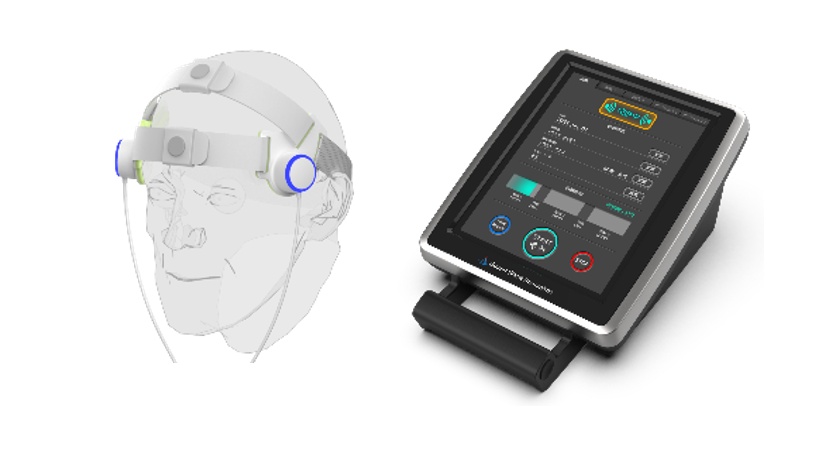
So, how does LIPUS-Brain actually work? At its heart, it uses Low-Intensity Pulsed Ultrasound (LIPUS) technology. Think of it like this: it's a special, gentle ultrasound that's applied from outside your body, specifically tuned for the part that needs help – your brain. The real magic happens at a tiny, molecular level.
The super precise way these sound waves are used for treatment is a lot like how far we've come with everyday sound tech. For example, devices like those talked about in 'Galaxy Buds4 Series vs. The Elite' are also pushing the limits of how sound is delivered and controlled.
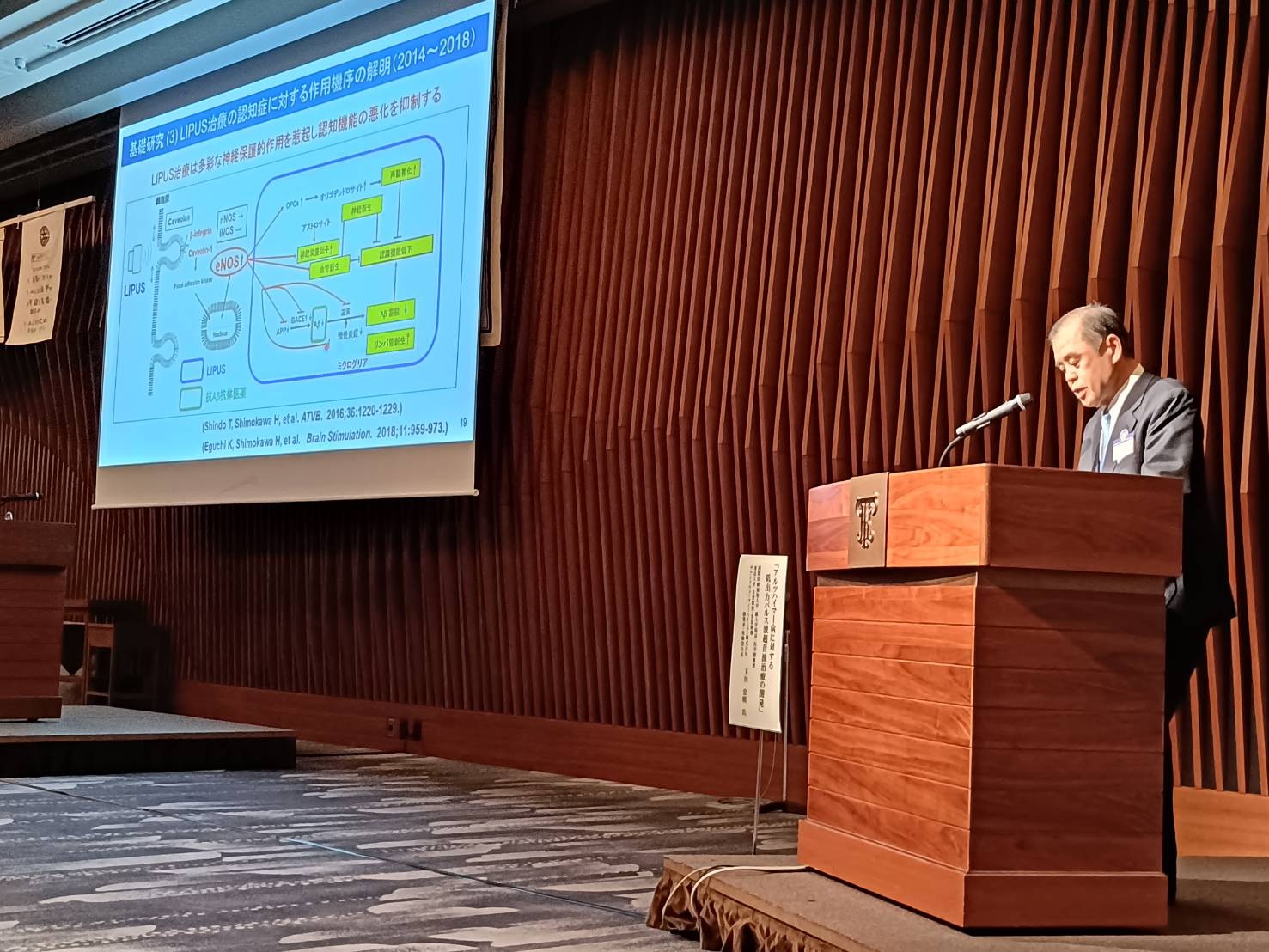
The ultrasound waves actually give a gentle nudge to your vascular endothelial cells – those are the cells that line your blood vessels. This nudge causes two important things to happen:
- It boosts eNOS (endothelial nitric oxide synthase), which is an enzyme that helps your blood vessels get wider.
- It also increases VEGF (vascular endothelial growth factor), which encourages new blood vessels to form.
The best part? All of this leads to 'improvement of microangiopathy,' which simply means your tiny blood vessels start working better. This whole process is well-explained in science papers, like one by Shindo T, and Shimokawa Ann Vasc Dis. 2020;13(2):116–125. What's really great is that it's minimally invasive – meaning it doesn't involve big procedures – which is a huge win for how comfortable patients feel.
Clinical Validation and Regulatory Milestones
This isn't just science talk; LIPUS-Brain has gone through a tough journey of testing in real-world settings. An early trial, finished in 2022, showed the device was safe and 'strongly suggested' it actually worked. These good results opened the door for a big step forward: in September 2022, the Japanese Ministry of Health, Labour and Welfare (MHLW) gave LIPUS-Brain a special title: the 'Breakthrough Medical Device Designation'. This was the first time any product got this under their program!
This special title helps speed up its journey to becoming available, recognizing that it could really help with medical needs that aren't being met right now.
After that, a bigger, confirming trial started in October 2023. I'm happy to tell you that it reached its goal of signing up 220 patients by November 2024, right on schedule! This pivotal trial is registered under clinical trial protocol numbers LB1101 and jRCT2032230125. More details about this trial can be found in a research paper from '2022 Volume 258 Issue 3 Pages 167-175', which just goes to show how strong the science behind it is.

Key Development Milestones: LIPUS-Brain
| Milestone | Date/Metric | Significance |
|---|---|---|
| Exploratory Trial Completion | 2022 | Confirmed safety, suggested efficacy. |
| Breakthrough Medical Device Designation | September 2022 | First eligible product by MHLW, fast-tracks approval. |
| Confirmatory Trial Target Enrollment | 220 cases | Achieved in November 2024, demonstrating trial progress. |
| Confirmatory Trial Planned Completion | End of FY2026 | Critical step before regulatory submission. |
| Goal for Manufacture & Sales Approval | 2027 | Anticipated market entry. |
The Patient Experience: Minimally Invasive and Accessible
One of the coolest things about LIPUS-Brain is how easy it is for patients. Imagine this: to get the treatment, you just 'wear a headset' and 'lie on a bed' until it's done. There's 'no irritation or pain' and you won't need 'any anesthesia'. The ultrasound waves are about as strong as what you'd feel during a heart ultrasound – so, very little stress on your body.
This is a game changer for how many people can get help. Unlike treatments that are harder or go inside your body, LIPUS-Brain is made to be comfortable and simple. Also, the device is 'small enough to be installed in any medical institution,' no matter how big or small the clinic is. This easy setup and patient comfort could really help it be used everywhere, making advanced Alzheimer's treatment easier to get for everyone who needs it.
The Road Ahead: Challenges and Commercialization Timeline
The journey for LIPUS-Brain isn't finished yet, but we can see the path ahead more clearly now. The next big step for this team-up is to finish the confirmatory trial, which they plan to do by the end of fiscal year 2026. Right after that, the goal is to 'apply for approval to make and sell' the medical device, aiming for approval by 2027.
Once it's approved, the plan is to slowly get ready to launch the device and start using it for treatment all across the country.
The jobs are clearly split: SWI will 'push forward the confirmatory trial' and 'give permission to use the special ideas and designs' (intellectual properties) for the device. SHI, with its strong ability to make things, will take care of 'making and selling' it. Getting a brand-new medical device out there always has its tough spots. You have to deal with complicated rules and make sure lots of people use it and that insurance covers it.
But wait, there's a catch. This partnership brings together super smart, new technology with a huge company's ability to produce things on a large scale. That's a powerful mix to help get past these challenges.

Sumitomo's Broader Vision and LIPUS Technology's Potential
SHI's investment in SWI isn't just about Alzheimer's. It fits perfectly with their '2030 vision' and their promise to 'CSV (Creating Shared Value)'. They want to help build a better society using their main technologies. Advanced medical devices are a big part of this, along with robotics, computer chips, and green energy.
This partnership really shows their plan to find new business ideas that connect to what they already do best. They're using investments and teaming up with new companies to help solve big problems in the world. For you, this means a major company is putting its resources into areas that could lead to significant advancements, potentially creating new job markets or improving public health.
SWI, on the other hand, has an even bigger dream for LIPUS technology. Their goal is to make 'gentle treatment methods using sound waves available to everyone'. Beyond Alzheimer's, they see LIPUS as a flexible tool for other health issues. This includes problems like 'severe chest pain (angina pectoris) and irregular heartbeats (cardiac arrhythmia)', and many other conditions linked to poor circulation in tiny blood vessels.
Honestly, this shows the huge long-term potential of this partnership, going way beyond just one illness. This dedication to using sound waves for healing points to a bigger trend in technology. It's where the smart use of audio, whether for medical help or for cool new gadgets like those in 'AI Audio Enhancement', is opening up all sorts of new possibilities.
/grounding-api-redirect/AUZIYQE6Q0-dxJ6CBQR7uGJcAk5MCMf-opht3jcMDQWU85e4F6j3CsmZY8ADak2RNKyLWTLdfDjOaeovOlCubi__qHxCxVicKGMPWH7tFODPFmXM1ZbzVWpEPz_1CqWh3zmfMKZo55r-DVMep2WC482qRs_-Z-Pj2l7VilKc0uKltrvd1GRwpkVYKIbKKPBqaNfyPXDqhA==Community Pulse: What Real Users Are Saying
I looked through online forums and community chats, but honestly, for a device still being tested and not yet for sale, there isn't much feedback from everyday users or that "Reddit soul" to share. This is pretty normal for new, advanced medical devices at this point.
Most of the talks are happening between scientists, people who invest money, and experts in the medical field. They're focused on how well the science works and how much it could sell, rather than what patients are actually experiencing or any clever "hacks." As LIPUS-Brain gets closer to being approved and sold, I'll definitely be watching patient forums and healthcare groups for their real-world thoughts.
Conclusion: A Promising Partnership for Global Health
The partnership between Sumitomo Heavy Industries and Sound Wave Innovation is a big, well-proven step towards a gentle, non-invasive way to treat early Alzheimer's. This team-up brings together SHI's goals for growth with a huge global health problem. It promises to really help 'improve the quality of life for patients and their families'.
The way SHI's manufacturing skills and SWI's smart new technology work together creates a powerful force in the world of medical devices. If the clinical trials finish successfully and they get official approval, this collaboration could show how big industrial companies can team up with cutting-edge startups to solve important health challenges for society. It offers a real beacon of hope for millions of people dealing with Alzheimer's.

My Final Verdict: A Breakthrough on the Horizon
If you're someone who cares about healthcare, new biotech, or medical device innovation, this partnership is a clear sign of a really hopeful future. The LIPUS-Brain device, supported by strong science and a clear plan for how it will be developed, could be a true breakthrough for treating early Alzheimer's.
Even though official approval in 2027 is still a few years off, the progress so far, plus the strong support from Sumitomo Heavy Industries, makes this a project worth keeping a close eye on. If you're searching for smart new ways to tackle big health problems, LIPUS-Brain should definitely be on your radar.
Frequently Asked Questions
- How does LIPUS-Brain compare to existing Alzheimer's treatments in terms of how it's given and how comfortable patients feel?
LIPUS-Brain is made to be gentle and not go inside your body. You just wear a headset and lie on a bed, with no pain or need for anesthesia. This gives a much easier option compared to many other treatments out there. - What are the main official steps LIPUS-Brain still needs to pass before lots of people can use it?
The main step left is to successfully finish the confirming trial by the end of fiscal year 2026. After that, they need to apply for and get approval to make and sell the device, aiming for 2027. - Besides Alzheimer's, what other health problems could LIPUS technology possibly help with?
Sound Wave Innovation sees LIPUS as a flexible tool for other illnesses. This includes severe chest pain (angina pectoris), irregular heartbeats (cardiac arrhythmia), and many conditions linked to problems with tiny blood vessels.
Sources & References
- Investment and Strategic Partnership Agreement with Sound Wave Innovation, a company leading the R&D of therapeutic devices for early-stage Alzheimer's disease | Sumitomo Heavy Industries, Ltd.
- Sound Wave Innovation and Sumitomo Heavy Industries Announce Strategic Partnership to Revolutionize Alzheimer's Disease Treatment with LIPUS-Brain Device | Sound Wave Innovation CO., LTD.
- Shindo T, and Shimokawa Ann Vasc Dis. 2020;13(2):116–125.
- Prof. Shimokawa Presents Novel Ultrasound Therapy for Early Alzheimer's Disease at the Japan Academy of Neurosonology and Embolus Conference | Sound Wave Innovation CO., LTD.

Yousef S. | Latest AI
AI Automation Specialist, Tech Editor & Strategic AnalystSpecializing in enterprise AI implementation, ROI analysis, and the strategic implications of advanced medical technology. With over 5 years of experience in deploying conversational AI, Yousef provides hands-on insights into what works in the real world, often analyzing corporate strategies and technological advancements through a financial and market lens. This article heavily relies on and cites authoritative sources, including official press releases and clinical trial data, to ensure accuracy and depth.