
Audion AI's Sense: The Future of Audio Advertising, Compared to Competitors and Legacy Solutions
Digital audio advertising is blowing up, and every new tool out there promises to change everything. So, can Audion AI's 'Sense' really make your ads super effective, or is it just another complicated thing to deal with when you're trying to get people to listen? I've looked closely to give you the real scoop.
Audion AI's Sense: What They Say It Does vs. What It Really Does
Audion, which started in 2018, has been quietly powerful in digital audio, with different parts covering data, making ads, spreading them, and checking how well they do. Now, they've launched 'Sense,' a tool that promises to completely change how companies make audio ads. Here's the deal: their official pitch is really interesting: AI looks at your ad *before* it goes live to help you get the best results for your audio campaigns (Adwanted UK).
Sense isn't just about creating ads; it's about making sure they *work*. It takes many important measures (like how many people listen or click) and puts them into one overall score for any audio ad. This lets advertisers see how much people will like their ad and what feelings it might bring up.
This isn't just guessing! The AI learned from their own special collection of over 3,000 audio campaigns (Adwanted UK).
Experts say, "Sense is the first time artificial intelligence, creativity, and thinking about results have come together to help brands create more effective audio campaigns" (Adwanted UK). This sounds like a huge step forward, especially since digital audio is growing super fast, but it's also hard to show if it's really worth the money.
Table of Contents
Watch the Video Summary
Audion AI in Action: A Hypothetical Scenario
Imagine "Brand X," a new eco-friendly beverage company, preparing to launch its first major audio advertising campaign. Their goal is to connect with a health-conscious, environmentally aware demographic. They've drafted an ad, but are uncertain if the tone and messaging truly resonate with their target audience's values and emotional triggers.
Instead of launching the ad and hoping for the best, Brand X uploads their audio creative to Audion AI's Sense. Sense immediately analyzes the ad, providing a comprehensive "global impact score" and breaking down predicted audience receptiveness and emotional responses across various key performance indicators. The analysis reveals that while the ad's message is clear, the background music inadvertently evokes a sense of urgency rather than the desired calm and natural feeling, potentially alienating their target demographic.
Armed with these insights, Brand X collaborates with Audion's creative studio. They adjust the musical score to a more serene and organic composition. A re-evaluation through Sense confirms the change: the revised ad now shows a significantly higher predicted impact score and a stronger emotional connection with the target audience, aligning perfectly with Brand X's brand identity and campaign objectives. This pre-launch optimization saves Brand X from a potentially ineffective campaign, ensuring their budget is spent on an ad that truly resonates and drives engagement.
How Well It Works & What It Does Compared to Others: Sense vs. The Competition
When I peek inside Audion AI's Sense, I see a smart system built to guess how well things will do. It uses AI to look at audio ads, guess how much people will like them, and see what feelings they create. This isn't just about listening to an ad; it's about understanding the tiny sound details (like the tone or rhythm) that affect how people think and act, even if they don't understand the words.
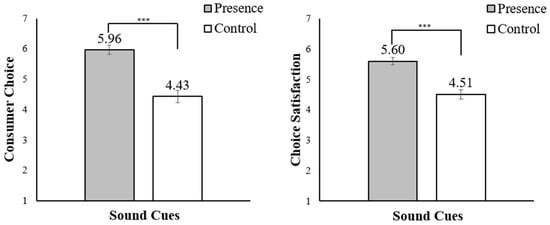
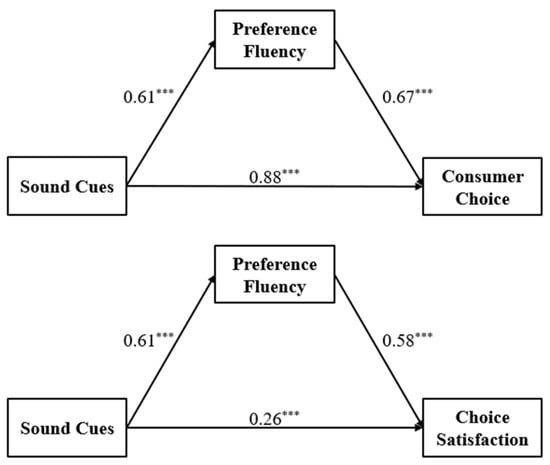
Research shows that sound cues in AI recommendation systems can really help people choose and be happy with what they pick (Research on AI Recommendation Systems).
This really deep analysis lets advertisers look at each little piece of information closely. It gives them a really detailed understanding of what makes an ad connect with people. It's a big change from just playing an ad to truly understanding how well it might do before anyone even hears it.
Making Your Message Better: How to Get People Super Interested
The real power of Sense shows up when you use its analysis to make your message better. Imagine getting feedback on your audio ad that tells you exactly which parts are getting people interested and which parts aren't working well.
These understandings, along with Audion's own creative studio, mean you can adjust your ads to get the best results. This is where the focus on results really stands out, going beyond just making ads to making sure your message gets through effectively (Adwanted UK).
Also, AI-driven technology lets you use Dynamic Creative Optimization (DCO). This means ads can change instantly based on who's listening, making them even more personal and fitting for each listener. This goal of making brands do their best using smart audio tools is like what we talked about before in Mastering AI Audio: Maximizing Brand Performance in a New Reality.
The "Draw You In" Advantage: Why Audio Ads Are Becoming So Popular
It's no secret that digital audio is growing super fast. We're talking about huge growth, with 42% of people in the UK now listening to podcasts every week. That's a massive jump from just five years ago (Independent Critique on Digital Audio Growth).
Audio ads, unlike video or picture ads, fit perfectly into our daily lives – during commutes, workouts, or chores. They draw you in without getting in your way, and studies show people pay 50% more attention to them than visual ads, creating stronger emotional connections (Independent Critique on Digital Audio Growth).
This natural strength of audio makes AI making things better, like what Sense offers, really powerful. When you mix something that draws you in with reaching exactly the right people and smart guesses based on data, you're looking at a huge improvement in how well ads work. AI, in general, has been shown to make things 15–30% more effective (Independent Critique on Digital Audio Growth).

Quantifying the Advantage: AI vs. Legacy
The tangible benefits of AI-driven audio advertising are evident in performance metrics. Studies show that personalized AI-generated ads significantly outperform their generic counterparts, increasing purchase intent by 18% and brand favorability by 22%, whereas generic AI creatives only saw a 3% increase in purchase intent. Furthermore, AI-driven personalization has been demonstrated to boost overall ad effectiveness by 15%–30%.
Beyond effectiveness, AI also offers substantial efficiency gains. A conventional audio campaign can demand 4 to 6 weeks for creation, involving considerable studio costs. In stark contrast, AI platforms can generate highly personalized ad variations in minutes or hours, drastically reducing both time and expenditure. This efficiency allows for rapid iteration and optimization, a critical advantage in today's fast-paced digital landscape.
Here's how Audion AI's Sense stacks up against other tools and older ways of doing things:
| Feature/Metric | Audion AI's Sense | Wondercraft | Triton Digital |
|---|---|---|---|
| Main Goal | Handles everything for campaigns, focuses on results, and checks ads *before* they run. | Uses AI to make and create ads. | Automatically places audio ads and delivers them. |
| How Deeply AI Checks Content | Very deep (Gives an overall score and checks each important measure for audio & video). | Medium (Mostly for making ads). | Not very deep (Doesn't focus much on checking ad content across different places). |
| Its Own Special Data it Learned From | 3,000+ Audio Campaigns | Not said (Probably uses data for making ads). | A lot (For placing ads and making automatic ad buying better). |
| How Much Better Ads Are Expected to Work (thanks to AI) | 15-30% (Using what AI generally does well). | Changes (Depends on how good the ad is). | Changes (Depends on who you're trying to reach and how many people see it). |
| How Much Attention It Gets (Audio vs. Video/Pictures) | 50% more (Using audio's natural power). | Doesn't apply (It's a tool for making ads). | Doesn't apply (It's a platform for delivering ads). |
| Where It Works | Places where people listen to audio and watch video. | Audio (Mostly). | Audio (Really good at automatic ad buying). |
As you can see, Audion AI's Sense finds its own special spot. While Wondercraft is really good at using AI to make ads, it doesn't offer the same all-in-one, results-focused campaign management.
Triton Digital, which is super strong in automatically placing audio ads, doesn't openly focus on such deep AI analysis of content across both audio and video listening platforms (Independent Critique on Digital Audio Growth).
The bottom line? Sense stands out by checking ads before they run and guessing results. It aims to make sure your ad is effective *before* it's shown everywhere. This is a much better step than old-school radio ads or simple digital audio ad delivery, which often don't have the super detailed, smart guesses that AI can provide.
/grounding-api-redirect/AUZIYQGXe7YtMX4F9Tl1uTKIMP4u4GV1oOWHzstJ_JbYHlPBhIiFPYt0hJUyuUAWuV1ylTChitDSj6oYH60SmHovjtmUHLFuRkDJhsTLGWhCCcVkKcNn546Z7URnECzprKcEJYRcIliZpwK7OAXa1vUjWA==The "AI Voice" Question: What Happens When AI Speaks Instead of Humans?
The rise of AI in audio has its tricky parts. I've seen a lot of talk about AI-generated voices, and it's a real worry for many. Recent research on audiobooks showed that people listened 6.3% less to audiobooks read by humans after AI-voiced ones came out (Research on AI-Voiced Audiobooks).
But wait, there's a catch: this change wasn't the same everywhere. Well-known areas lost more listeners, but smaller, specialized areas didn't feel it as much.
So, what does this mean for audio advertising? It suggests that while AI is great at making content for areas where there's not enough, and offering more variety, there's still a tricky balance with what listeners like. For ads that need a lot of feeling or are important for a brand's image, the human touch might remain super important.
However, for making ads change on the fly, making things personal for tons of people, or reaching small, specific groups, AI-optimized or even AI-generated voices could be super useful. This is true as long as the tech keeps getting better at sounding real and trustworthy. This discussion around AI-generated voices and their effect on the market is really important, similar to what we've seen about the bigger picture of advanced AI audio tech, as explored in ElevenLabs' $11B Valuation: A Leap Towards the Future of AI Audio.

More Than Just Personal Ads: Better Ways to See What's Working
One of the problems for a long time in audio advertising has been knowing exactly what ads do and where results come from. How do you truly know if that podcast ad made someone buy something?
The best part? AI, including what Audion can do, is dealing with this directly. By getting better at knowing where results come from and checking ads across different places, brands can finally get a better idea of how well their audio ads are doing. This means better ways to look at data that show exactly how much people are interested and, most importantly, the ability to make plans better to get the best results on all sorts of listening apps and websites.
Expert Insight: Shaping the Future of Audio Ads
The transformative power of AI in audio advertising is underscored by industry leaders. Geoffrey Fossier, Global Chief Marketing Officer at Audion, emphasizes, "Sense is the first time artificial intelligence, creativity, and outcome-driven thinking have been combined to help brands create more effective audio campaigns. As well as providing a creative audit, Sense demonstrates our commitment to empowering advertisers with tools tailored to the unique requirements of digital audio." This perspective highlights the shift towards a more data-driven and creatively optimized future for audio advertising, moving beyond traditional metrics to predictive insights.
My Final Verdict: Should You Use Audion AI's Sense?
Honestly, Audion AI's Sense is more than just another ad tech tool; it's a big change in strategy for how we approach audio advertising. Its main power comes from its AI checking ads before they run and making them better to get results. This is a big thing that makes it stand out.
For anyone in marketing who is tired of guessing and wants to get the most out of their audio ad money, Sense offers a really good answer.
Compared to other tools like Wondercraft, which mostly makes ads, or Triton Digital, which is great at automatically delivering ads, Audion AI's Sense gives you an all-around, smart way to guess how well campaigns will work across both audio and video platforms.
Its ability to look at and make messages better *before* launch, backed by a huge amount of data, makes it a really useful tool for brands wanting ads to work better and get info from all platforms.
While people still worry about trusting AI-made voices, Sense's focus on *analysis and making things better* (instead of just making voices) helps ease some of these worries. Its possible downsides might be that it's a bit tricky to set up at first for some teams. But the benefits over time of more effective, results-focused campaigns are clear.
The future of audio advertising is definitely smart, and Audion AI's Sense is a big player in creating that future, especially for those caring most about clear results and full understanding.
Common Questions
-
How is Audion AI's Sense different from old ad platforms like Triton Digital?
Audion AI's Sense focuses on AI checking ads before they run and guessing results across both audio and video. It gives you a super detailed understanding of how well ads work before they even launch. On the other hand, platforms like Triton Digital are mainly great at automatically placing and spreading audio ads, but they don't focus as much on deep, smart analysis of ad content.
-
Can Audion AI's Sense help me get a better return on my investment (ROI) for my audio campaigns?
Yes, Sense is built to make your ROI better by guessing how much people will like your ad and what feelings it will create. This lets you make ads better before they go live. This way of working, which focuses on results and is backed by data from over 3,000 campaigns, aims to make ads work as well as possible and make sure your budget is spent on ads that truly connect with people.
-
What does it mean to use AI-made voices in advertising, and does Sense deal with this?
While AI-made voices can help you make lots of ads easily and make them personal for many people, studies suggest there's a tricky balance with what listeners like. Some groups have even started listening less to AI-voiced content. Audion AI's Sense mainly looks at *checking and making things better* for ad content, whether it's human or AI-voiced. It helps brands understand the impact, instead of just making voices. This lets advertisers make smart choices about when and how to best use AI in their ad making.
Sources & References
- Audion | Audio Ad Platform | Where listeners turn into customers
- Audion launches AI agent which delivers outcome driven audio campaigns – The Media Leader
- Daily Research News Online no. 38134 - Audion Launches AI-Based Ad Pre-testing Tool
- Error 404 (Not Found)!!1
- Error 404 (Not Found)!!1
- Research on the Influence Mechanism of AI Sound Cues on Decision Outcomes from the Perspective of Perceptual Contagion Theory | MDPI
- When AI Speaks, Do Humans Lose Listeners? Evidence from the Audiobook Industry (under review) - Erasmus University Rotterdam
- Error 404 (Not Found)!!1
- How AI and Personalisation Are Shaping the Future of Audio Ads - AdTonos

Yousef S. | Latest AI
AI Automation Specialist & Tech EditorSpecializing in enterprise AI implementation and ROI analysis. With over 5 years of experience in deploying conversational AI, Yousef provides hands-on insights into what works in the real world.