Alright, fam, let's cut through the marketing talk. Google just launched Gemini 3.0, and they're really pushing it on their Vertex AI platform. But for people like us who build things, the big question is: Is this actually a game-changer for making AI tools, or just a small update wrapped in a shiny new bow?
We've all seen the hype train before, a feeling we looked at closely with Sora's Hype Train Derailed. So, let's dive deep and see if Gemini 3.0 can truly be better than Gemini 2.0's solid performance or even compete with the established giant that is AWS SageMaker. The community already has thoughts, and spoiler alert: people have mixed feelings.
Gemini 3.0 on Vertex AI: What's the Official Pitch?
So, what Google says, straight from their Cloud Blog and Sundar Pichai himself, is that Gemini 3 is their 'most intelligent model' yet. They're talking about 'super smart thinking,' 'understanding all sorts of things' (like text, pictures, and sounds), and 'smart assistant features' that let you 'bring any idea to life.'
Basically, they want you to believe it's smarter, understands what you mean better, and can handle more complex tasks with less effort from you. They're highlighting its advanced capabilities, including its potential for 'vibe coding' and smart assistant features, as demonstrated by the availability of the Gemini 3 Flash Preview model for building applications.
On the Vertex AI side, the promise is a 'complete, all-in-one AI development platform' that gives you access to Gemini 3, along with a wide range of other ready-to-use AI models (from Google, other companies, or open-source options). They're pushing Vertex AI Studio for designing how you talk to the AI, Agent Builder for creating smart assistants for big businesses, and a full set of tools for building, improving, launching, and keeping an eye on your AI models.
They even offer $300 in free credits for new customers to try it out. Sounds great on paper, right? But we all know what marketing says isn't always what you get in real life.
Table of Contents
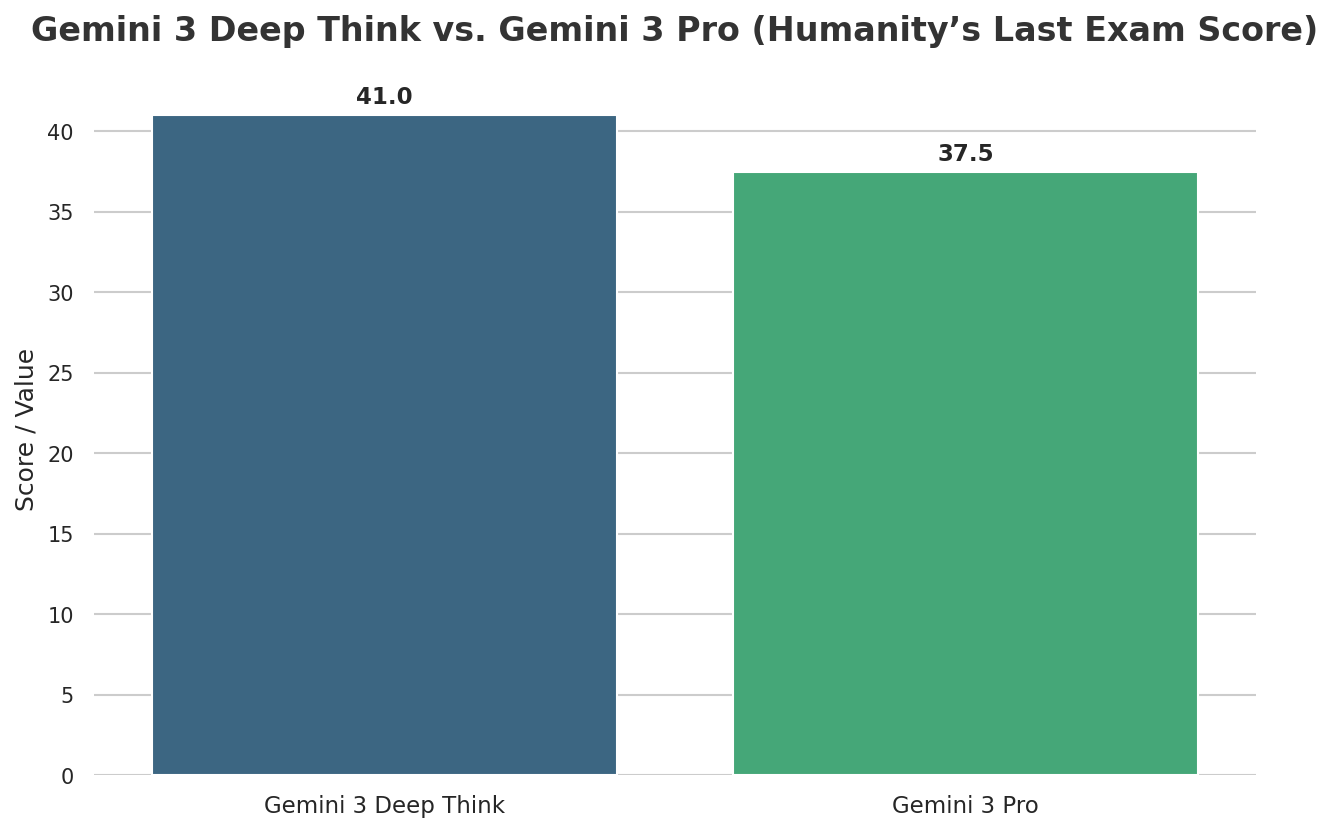
📊 Data Analysis generated by LatestAI
Watch the Video Summary
Real Talk: What Redditors Are Saying About Gemini 3.0 on Vertex AI
Alright, let's get to the good stuff – what actual users are experiencing. Because let's be real, official blogs are one thing, but Reddit threads are where the truth bombs drop.
The biggest immediate problem for many, especially those excited to try the new thing, was if they could actually get their hands on Gemini 3 Flash Preview on Vertex AI. One user, u/AmanaRicha, was straight up asking, "I wanted to try out gemini 3 pro preview but it seems the model is not available..."
Others felt the same way, with users like u/BornVoice42 explaining it was "ist only available in global" regions, and u/Exerosp suggesting to check the 'region' setting in Vertex AI. So, right off the bat, getting access was a bit confusing for some. This is a typical Google style – announce something huge, but then it's only available slowly or in certain places. Oof.
On the flip side, some developers are already building some seriously cool stuff with Gemini 3.0. Take u/JHAB2018, who built a smart tool that digs deep into topics, generating podcasts and visual summaries live using Gemini 3.0 Flash (for text), Gemini 2.5 Flash TTS (for audio), and Google's latest image generation models (for images).
This clever person is using Google Cloud Run for managing all the behind-the-scenes work and, crucially, as he explained to u/Clair_Personality, he's using the Vertex AI Platform for turning text into codes that help computers understand what words mean, for better searching. This is a really smart way to use it!
It shows that while the new models are hyped, the Vertex AI platform is still the main tool that helps bring these new AI features into actual projects. It highlights that the true power comes from combining the models with a strong system for managing AI development.
Overall, what people in the community think is a mix of excitement for the new features, especially the ability to understand different types of information and act like smart assistants. But this is also mixed with frustration from Google's usual slow or tricky releases, and the time it takes to learn how to use these new models in real projects.
It's clear that for those willing to dig in, Gemini 3.0 on Vertex AI offers powerful tools, but it's not always super easy to just start using, and you might need to search for where it's actually available.
Feature Breakdown & Comparison
Let's get down to the important details and compare these big players. We're looking at Gemini 3.0 on Vertex AI, its older version Gemini 2.0 (specifically 2.5 Pro), and the popular choice for big companies for a long time, AWS SageMaker.
| Feature | Gemini 3.0 on Vertex AI | Gemini 2.0 (e.g., 2.5 Pro) | AWS SageMaker |
|---|---|---|---|
| Core Model Capabilities | Super smart thinking, understands all kinds of things like text, pictures, videos, sounds, and code. It can act like a smart assistant and even help you 'vibe code' (write code easily). It gets subtle details. | Good at thinking, can do basic smart assistant tasks, understands different types of media, and can remember a lot of information. | Works with many different AI models, not just one. It's great for building, teaching, and launching your own custom AI models. It connects with lots of models like Llama and Falcon. |
| Performance Benchmarks | Expected to achieve top performance in various AI benchmarks, building on the strong foundation of previous Gemini models. Specific scores are still emerging for the latest version. | Was a top performer in AI tests for over half a year, doing really well in many different challenges. | How well it performs depends on the AI model you pick and your setup. It gives you tools to make things run faster. |
| Context Window | Designed for extended context understanding, with capabilities for processing large amounts of information. Specific token limits for the latest version are still being detailed. | Could remember a lot more information than before (we don't have the exact number here, but it was a big deal back then). | Depends on the AI model you use. SageMaker itself doesn't set this limit. |
| Platform Integration | Works really well with Vertex AI Studio, Agent Builder, and Gemini CLI. It's one complete platform for building, changing, and improving your AI. | You can use it through Google AI Studio and Vertex AI. | A complete AI platform with built-in tools for coding, teaching AI, launching it, and managing the whole process. It connects smoothly with other Amazon Web Services. |
| MLOps Features | Vertex AI gives you tools like coding notebooks, ways to teach your AI, make predictions, set up workflows, keep track of models, store important data, check how well it's doing, and watch out for problems as it runs. | Uses Vertex AI's tools for managing AI projects, but the main focus was on what the AI model itself could do. | A complete set of tools for managing AI projects: SageMaker Studio, ways to run tests, set up workflows, watch models, store data, and get accurate training data. It's very well-developed and you can change it a lot. |
| Model Variety | Includes Google's own models (like Gemini, Veo), models from other companies (like Anthropic's Claude), and open-source models (like Gemma) all in one place called Model Garden. | Mostly Google's own AI models. | A huge collection of models from Amazon, other companies, and free-to-use ones. It's really good at supporting your own custom models and different ways of building them. |
| Pricing Model (General) | You pay for what you use for AI generation (like a tiny amount per 1,000 characters of text), plus costs for the computing power and storage you use with Vertex AI. You can even get free credits to start. | Similar 'pay-as-you-go' system, usually a bit cheaper than the newest versions. | The cost can be tricky, depending on the type of computer power, storage, data handling, and specific SageMaker tools you use. It can save you money if you use a lot, but you need to keep a close eye on your spending. |
| Target User/Use Case | People who build software and want to create new AI apps, smart assistant systems, tools that understand different types of media, solve complex problems, or use 'vibe coding' to write code easily. | Developers and researchers who work on smart thinking and AI that understands different types of media. | AI engineers, data experts, and big companies who need a complete, flexible platform to manage their AI projects from start to finish, especially if they already use other Amazon Web Services. |
Looking at the comparison, Gemini 3.0 clearly aims to move things forward in how smart the AI model itself is and its ability to understand different types of information. Its advanced capabilities are designed to be a significant step forward.
This is where Google is trying to stand out – pure model power and new and advanced features like 'vibe coding' and building smart assistants. For anyone looking to build apps that you can talk to easily, understand what you mean, and work with different kinds of information, Gemini 3.0 on Vertex AI seems like a great choice.
However, AWS SageMaker isn't just sitting there. As the embedded video comparing Vertex AI and SageMaker highlights, SageMaker's strength lies in how well-developed, adaptable, and complete its tools for managing AI projects are. It’s a platform built for the whole process of building and using AI, supporting a huge variety of tools and AI models, not just one specific family.
While Google is pushing its own models, SageMaker offers more freedom if you're not tied only to Google's products or prefer specific free-to-use models. It's less about the 'latest model' and more about the 'best platform for your model.'
Gemini 2.0, specifically 2.5 Pro, was pretty good too. It started the development for many of these smart assistant features and did well in tests for a good while. For many existing applications, it's still a good model, and you might not need to upgrade to 3.0 right away for every project, especially if the cost or complexity increases.
The Good, The Bad, and The Ugly (My Unfiltered Take)
The Good:
- Super Smart & Understands Everything: Honestly, Gemini 3.0 is designed to be highly intelligent. It aims to understand text, pictures, videos, and sounds, and is expected to handle a huge amount of information. This is a really smart step forward. It means you won't have to work as hard to get the AI to understand you, and you'll likely get more accurate and detailed answers.
- Smart Assistants & Easy Coding: Google is really focusing on making AI assistants and 'vibe coding' (where you just tell the AI what code you want). If this works as promised, it could really help people who build software get more done and create apps that can do more on their own. Its capabilities in coding are a key focus.
- All-in-One AI Platform: The fact that Gemini 3.0 works so well with Vertex AI, which has all the tools for managing AI projects, building assistants, and a library of models (even from other companies or free ones), is a big plus. It's one complete place to do everything, which makes your work easier.
- Free Money to Try It: You get $300 to test it out? That's awesome! It lets you see if it's right for you without spending your own cash.
The Bad:
- Tricky to Get Started: Remember how Redditors mentioned it? Getting your hands on the Gemini 3 Flash Preview was a bit hit-or-miss at first, with limits on where you could use it. That can be super annoying when you're excited to try new technology.
- Big Promises vs. Real Life: Making 'super smart AI thinking' actually work reliably in real-world apps is always the hard part. It's like we asked before: is Gemini 3.0 just hype, or is it truly amazing for understanding everything? Cool ideas like 'invisible shelf' and 'smart shopping assistants' sound great, but we still need to see how well they work for most businesses in a big way.
- Stuck with Google?: Even though Vertex AI lets you use other AI models, Google really wants you to use their Gemini models. If you're already using other systems or prefer AI models not made by Google, this might feel a bit limiting compared to a platform like SageMaker, which works with almost anything.
The Ugly:
- Hard to Learn: Even though they say it's 'easy to use,' building really advanced AI assistants on Vertex AI still means you need to know a lot about the platform, how to connect different tools (APIs), and how to talk to the AI just right. It's not magic, and learning new things like UCP or advanced assistant building can take a lot of effort.
- SageMaker is a Tough Competitor: Gemini 3.0 might be smarter in some ways, but SageMaker is still a huge challenge. It's been around longer, is super flexible for building custom AI projects, and is especially good for people already using Amazon Web Services. Google is working hard to improve its AI management tools, but SageMaker has had years to get it right. It's not just about comparing AI models; it's about comparing entire systems.
- Hidden Costs for Custom AI: While you can easily see the price for using the AI to generate things, if you want to train your own custom AI models, it just says 'Contact sales.' This can be annoying for smaller teams or anyone who needs to know exactly how much they'll spend.
TL;DR: Is Gemini 3.0 on Vertex AI Worth Your Time/Money?
Look, if you're already using a lot of Google Cloud services or you're building new and exciting apps that understand different types of information and act like smart assistants, and you need the smartest AI model available, then Gemini 3.0 on Vertex AI is absolutely worth exploring. Its power and new features are clear, and the Vertex AI platform provides a strong base for managing your AI projects. It's a great choice if you're trying to do new and amazing things with AI.
However, if you're looking for a more general AI platform that works with many different tools, or you're already using a lot of Amazon Web Services, SageMaker still holds its own as a strong, complete, and well-developed option. And for many existing projects, Gemini 2.0 (or even other models) might still be good enough, and you don't need to get the newest thing just because it's new.
Don't jump on the hype train just because it's new; think about what you really need, test it out with those free credits, and see if it truly gives you a good return on your investment for your project. What works for one person might not work for another, but the potential is definitely there for those willing to put in the work.
Frequently Asked Questions
- With the early problems, is Gemini 3.0 really ready for big companies to use in their main projects?
While Gemini 3.0 offers impressive features, its initial limits on where it was available and the effort needed to learn its advanced features suggest that how ready it is for big company projects might be different for everyone. You really need to test it well and know exactly what you want to use it for before rolling it out everywhere. - How does Gemini 3.0's 'vibe coding' actually stack up against normal coding or other AI coding helpers?
Gemini 3.0's 'vibe coding' aims to turn natural language into code more easily. While test scores are promising, in real life, it will depend on how hard the task is, how good you are at telling the AI what to do, and the specific coding languages and tools you're using. - If your team already uses AWS SageMaker a lot, why would you even think about switching to Vertex AI and Gemini 3.0?
For AWS SageMaker users, the main reasons to consider Gemini 3.0 on Vertex AI would be its super smart ability to understand all kinds of information, its advanced context handling capabilities, and its advanced smart assistant features. If your projects really need these specific, top-notch AI features, and you're open to trying a new system, then it could be worth checking out.
Sources & References

Yousef S. | Latest AI
TECH EDITORTesting AI tools so you don't break your workflow. Brutally honest reviews, simple explainers, and zero fluff.